The Startup’s Guide to Certification-Ready Equipment
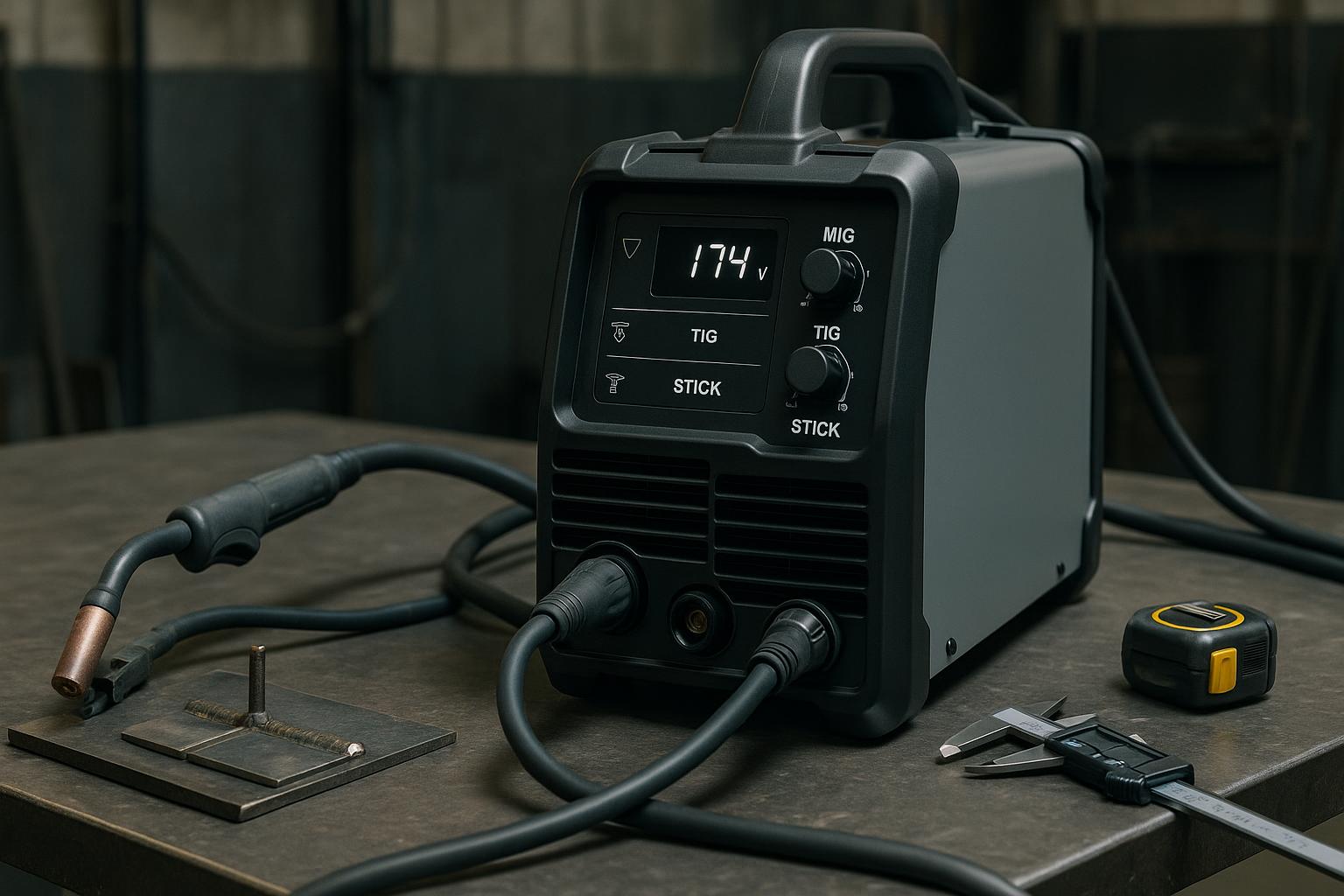
In a lean welding shop, versatility and code-compliant performance are two sides of the same coin. A compact multi-process welder lets a startup handle MIG, TIG, and stick with one machine, saving space, training time, and upfront capital.
Key benefits include faster certification prep because technicians stay within a single workflow, uniform settings, and easier documentation for WPS and PQR ties. For a practical look at compact, portable options, see our portable weld equipment guide.
Why startups benefit from multi-process capability
Welding shops starting out must juggle budgets and contracts. A single machine that covers multiple processes reduces downtime switching machines and simplifies training. Most models offer MIG for fast production, TIG for precision joints, and stick for dirty metals or repairs, all with common wire feeds and gas setups.
What to look for in a compact multi-process welder
- Broad process coverage: MIG, TIG, and stick in one unit
- Ample amperage and a workable duty cycle for your typical welds
- Portable footprint and integrated controls to minimize complexity
- Gas setup options or gasless MIG capability
- Compatibility with optional spool gun for aluminum or difficult materials
Choosing a unit with solid arc stability and intuitive controls speeds up practice runs and test welds, which matters when aiming for certification readiness. For a deeper look at how process selection fits certification timelines, see our Advanced Process Playbooks and our Welding Certification Handoff guides.
Practical setup tips for certification prep
- Stick to a single machine for most tests to minimize setup variance
- Prepare test plates and coupon sizes aligned with common certs
- Document settings and results for your portfolio and shop records
From a startup standpoint, the ability to deliver diverse services with a compact unit translates to more bids and faster turnover. If you’re evaluating options, compare models by their duty cycle at target thickness, their 240V vs 120V availability, and whether they support wire feed systems you already own. For more on startup strategy, see our Process-Selection Playbook.