How to Win Jobs Without Undercutting
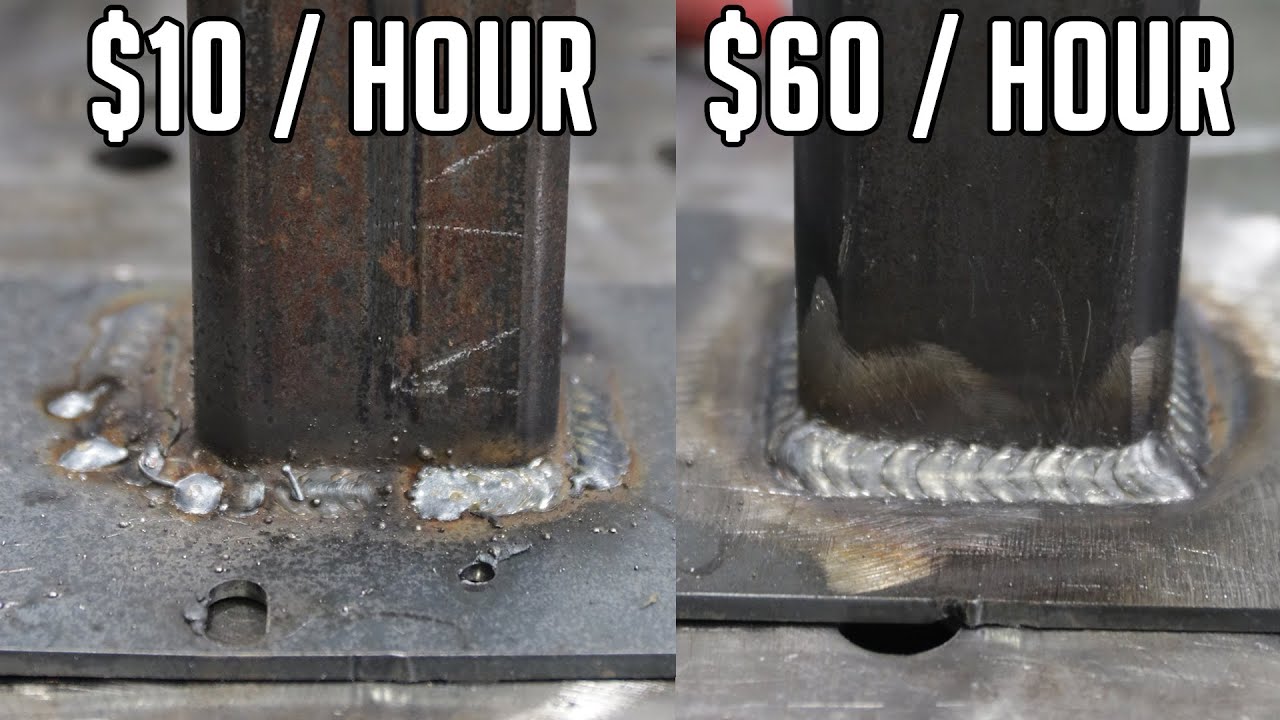
Pricing for mobile welding startups requires a lean, margin-protecting approach. This framework helps you win field work while protecting profitability, even when competing against lower bids.
It starts with three levers: scope clarity, traveler charges, and clear margins on materials and overhead. The aim is to create a repeatable, transparent pricing model that you can quote quickly in the field or via email without leaving money on the table.
Define clear scopes and price bands
Begin every job by defining a scope that includes the exact tasks, excluded items, and expected outcomes. Use a standard work order that lists at least these elements: location, access constraints, weld type, material thickness, required weld process, and necessary post-weld testing. By fixing the scope, you reduce back-and-forth and avoid scope creep.
Example: On-site repair of a 1/4 inch (6 mm) aluminum frame with a single pass TIG weld, 2 joints, no post-weld heat treatment. If the frame is easily accessible and within a standard travel radius, quote a flat scope price that covers labor and setup, with a separate line for travel.
When you need to adjust, use a transparent add-on catalog for non-standard tasks (e.g., additional joints, non-destructive testing, or material salvage) and price those add-ons as fixed amounts or per-hour rates.
For more on pricing strategies tailored to startups, see pricing for startup profit.
Price travel charges separately from labor
Travel is a cost center you must own. Decide on a base travel charge for local jobs and a per-mile rate for longer runs. The key is to avoid letting travel bleed into the labor quote. A typical approach is a small fixed base fee plus a per-mile rate for any miles beyond a defined radius.
Example: Base travel = $40 within 25 miles; $0.75 per mile beyond 25 miles. If the job is 60 miles away, travel would be 40 + (35 × 0.75) = $66.50. Include faster travel options only if the client requires urgent delivery, and price accordingly.
Bundle travel with one or more on-site tasks when feasible to simplify quotes and improve win rates, but avoid giving away value through heavily discounted packages. For more on startup pricing, see pricing and demand.
Protect margins with a simple overhead and material markup
Factor in overhead (fuel, insurance, equipment depreciation) and a small markup on consumables. Keep overhead separate from labor so you can scale the business without renegotiating base rates. A common approach is a 20–40% overhead multiplier on labor plus a fixed materials margin that covers consumables and wastage.
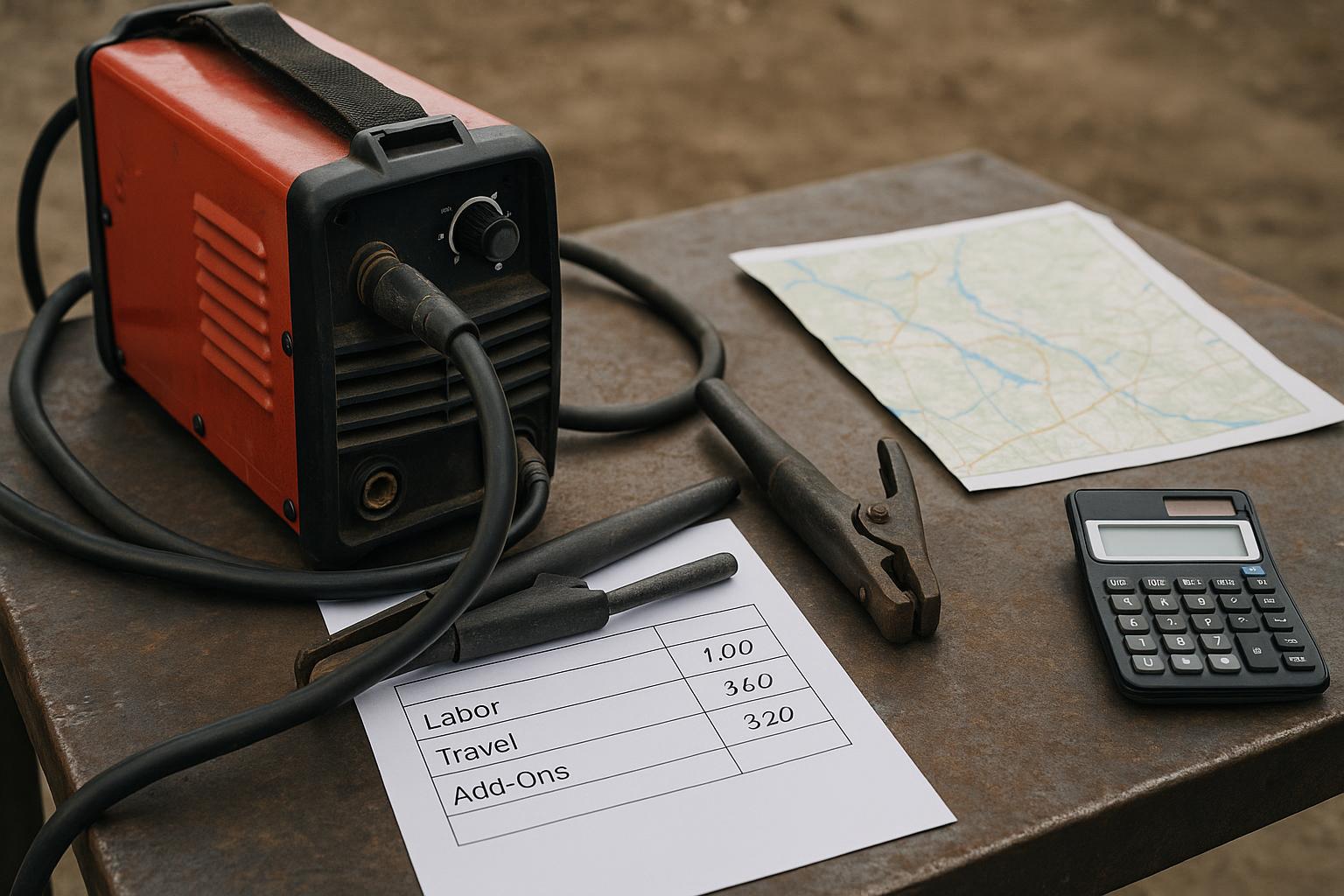
Use a quick calculator or a one-page worksheet you can fill in on-site to reduce quoting time. If you want a deeper framework, explore our lean startup blueprint for cash flow and contracts: lean startup blueprint.
Turn quotes into repeatable proposals
Turn every quote into a proposal that includes scope, travel, labor rate, add-ons, and terms. Use clearly defined acceptance steps and timelines. Keep a small set of approved quotes for common job types to speed the bid process.
For more on startup pricing and demand, see pricing and demand.
Quick scenario: a typical field repair quote
Labor rate: $85/hour; Travel base: $40 within 25 miles; Distance: 60 miles round trip; Estimated labor: 3 hours; Add-ons: none. Travel = 40 + (35 × 0.75) = 66.25. Labor = 3 × 85 = 255. Total = 321.25. Margin depends on material and overhead included. This is a simplified example; adjust for real-world factors like site access, safety requirements, and local competition.
Keep it lean, keep it profitable
Lean pricing isn’t about undercutting—it’s about clarity and consistency. Document your pricing model, train your field team, and use fast quotes to win jobs without eroding margins. With a reliable framework, you can compete on speed and accuracy, not just price.