How to Select and Switch Welding Processes on the Fly for Critical Structural Joints
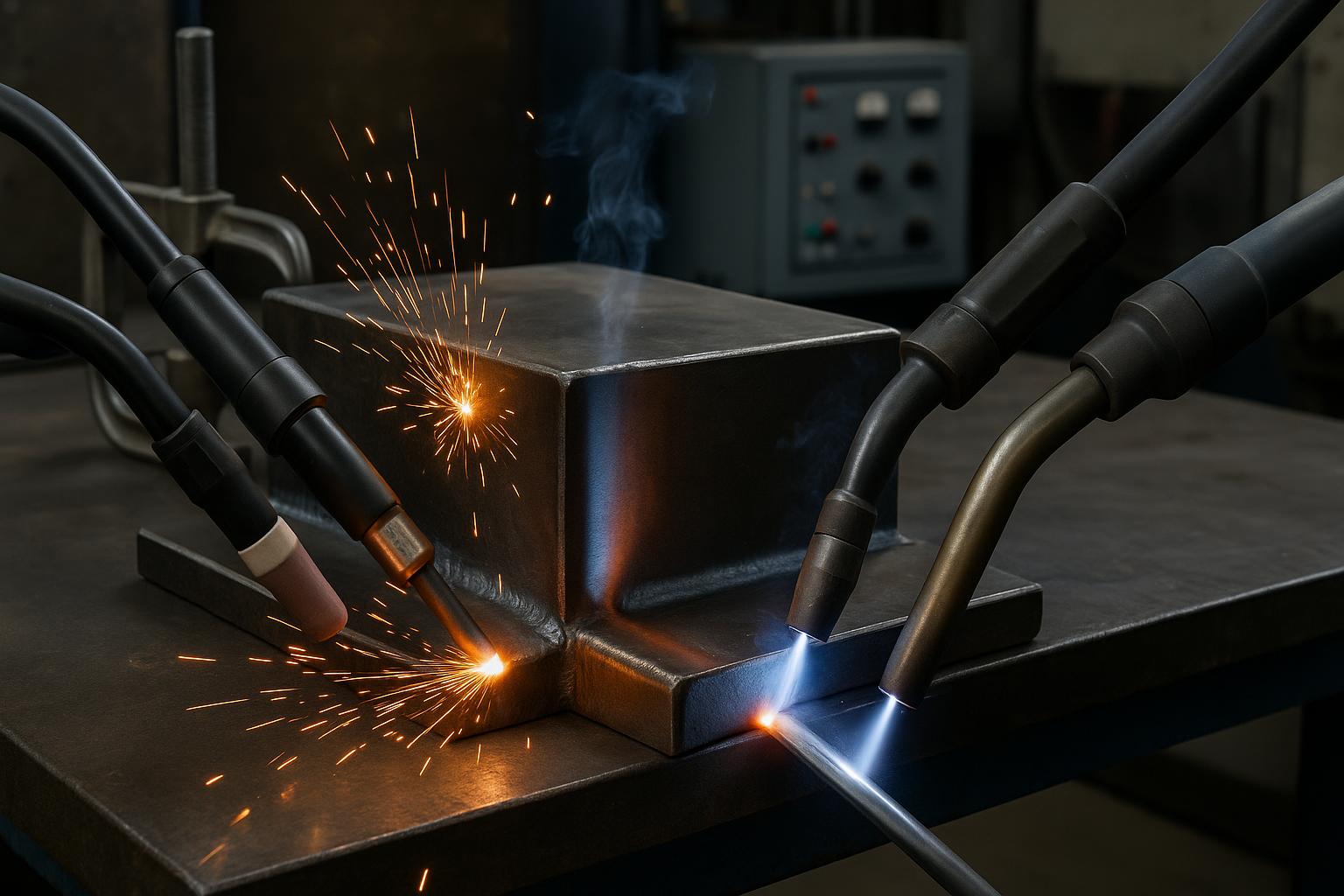
In critical structural joints, switching between welding processes mid-weld can optimize penetration, heat input, and overall joint performance. This hands-on framework shows when to apply TIG, MIG, FCAW, or plasma within the same weld, with practical setup tips, quality checks, and real-world results.
Key decision factors include base metal, thickness, joint geometry, and required properties. A systematic approach helps avoid damage or poor fusion. For a structured path, see the process selection playbook, then align your setup with best-practice QA in our certification hacks guide. Also keep standards current with welding code updates.
Process options for multimode welding
- TIG offers precision and low heat input—ideal for roots and tight tolerances.
- MIG provides faster deposition with good bead geometry on mid-range thicknesses.
- FCAW delivers high deposition and strong penetration for thicker sections or in windy shop conditions.
- Plasma arc welding enables precise fusion in tight spaces and bevels where conventional methods struggle.
Setup tips for switching on the fly
- Keep the torch setup and gas supply ready for each process; avoid cross-contamination of shielding gases.
- Set baseline parameters for each process based on metal thickness, then fine-tune in small increments as you switch.
- Maintain separate fixtures and clamp-ups to minimize repositioning between passes.
- Use a shared joint fit-up guide to ensure consistent spacing and alignment across process changes.
Quality controls during multimode welding
- Inspect bead geometry after each pass; verify penetration with appropriate NDT methods for critical joints.
- Document the process sequence and parameter changes for traceability and future QA checks.
- Check for heat-affected zone consistency and avoid overheating vulnerable areas.
Real-world case highlights
In a recent structural brace weld, a TIG root pass was followed by MIG fill and FCAW cap to meet tight tolerances while accelerating cycle times by 15%. The multimode approach reduced post-weld grinding and improved overall joint strength in fatigue tests.