Optimizing GTAW + GMAW for Certification Trials in Thick-Walled Joints
In certification fixtures, blending TIG (GTAW) and MIG (GMAW) can meet code requirements while keeping heat input under control. A deliberate hybrid approach can minimize distortion on thick sections without sacrificing fill quality.
This approach aligns with how experienced shops use dedicated root passes with GTAW, followed by GMAW deposits to finish the joint efficiently. For more context, see advanced process playbooks for a broader framework on multi-process fixtures.
Blend strategy: When to use GTAW vs GMAW
Root pass: use GTAW with a tight arc length on the root of the thick-walled joint to minimize heat input and distortion. Fill passes: switch to GMAW with a robust deposition rate to close the joint without excessive heat buildup. If the joint requires multiple passes, consider alternating TIG for critical micro-sections and MIG for the bulk deposits, ensuring consistent weave patterns and deposition across the thickness.
Heat input control and distortion management
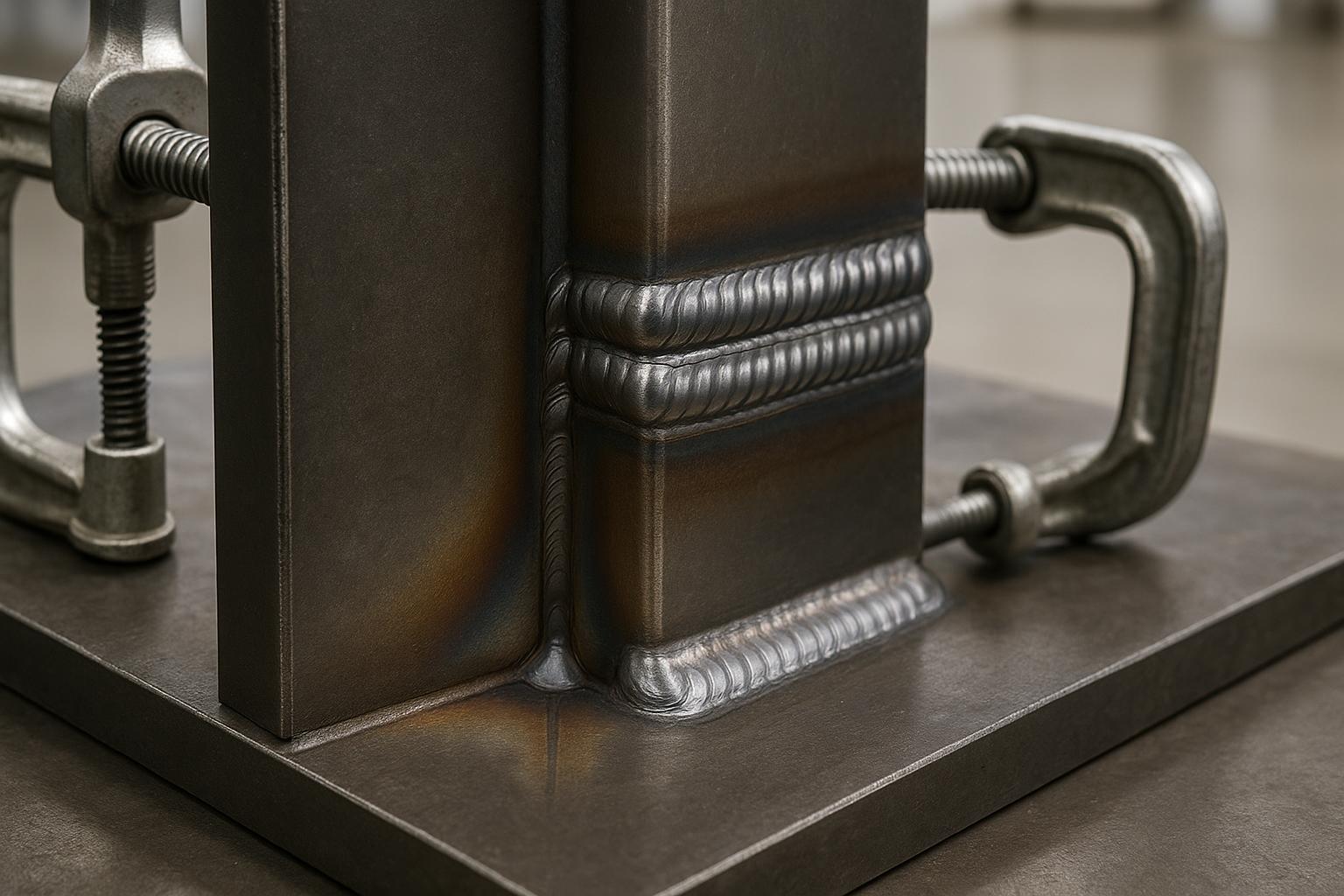
Control heat input by selecting appropriate amperage, travel speed, and electrode/wire size. Shorter arc lengths for TIG and larger-diameter MIG wire for faster deposition can help. Use heat sinks, dedicated backing bars, or mirrored preheats on the fixture to spread heat more evenly. In thick-walled sections, maintain joint gaps within tight tolerances and use proper clamping to prevent movement during welding. For broader guidance, see the hybrid process strategies for complex joints.
Fixture planning and code considerations
Plan the fixture around both processes. A common jig, aligned clamps, and gas coverage for each section are essential. Document procedures in your WPS and PQR to satisfy certification requirements. For path guidance, process selection playbook.
Practical example: thick-walled carbon steel joint (1.5 to 2 inches)
- Root TIG: initiate with a controlled arc to minimize heat input and avoid burnthrough.
- MIG fill passes: use a stable spray or short-circuit transfer as appropriate for the base metal and thickness.
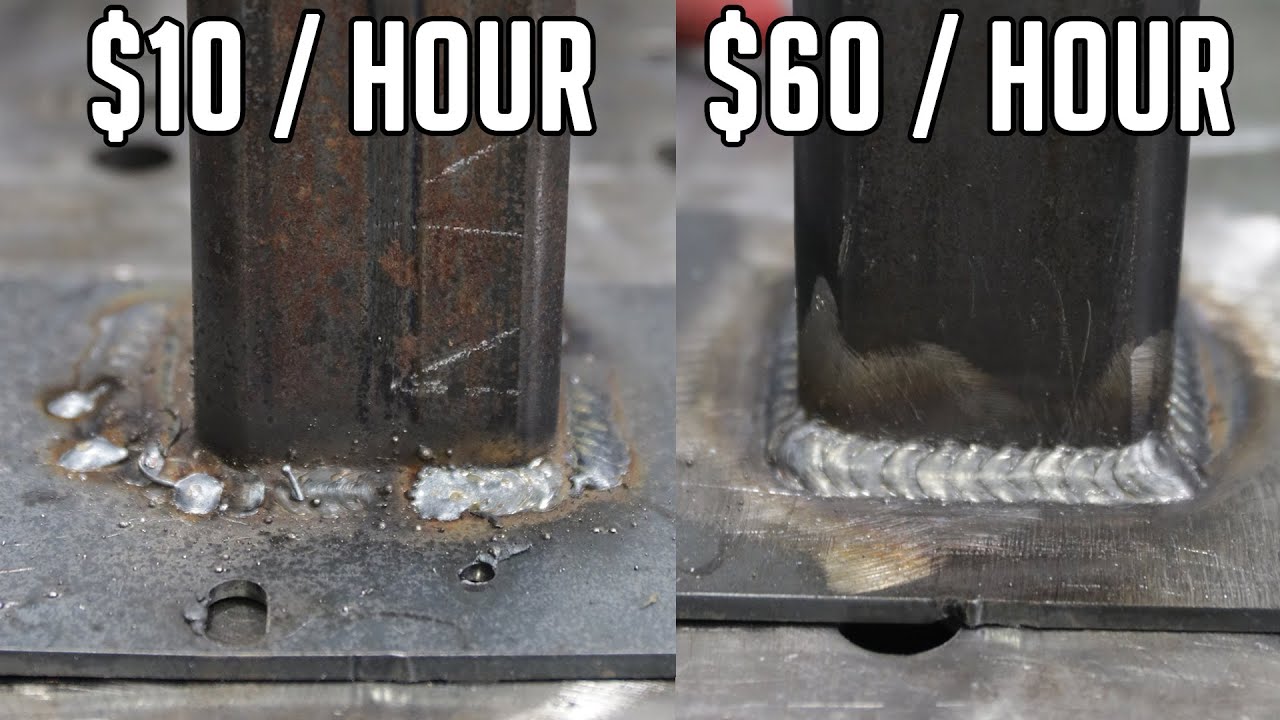
- Final checks: inspect bead geometry, distortion, and verify fill integrity against the relevant code requirements.
For practice and readiness, consider certification testing under pressure to simulate exam conditions and fine-tune process blending before the real test. See certification testing under pressure for more.