Real-Time Arc Monitoring for Consistent Certification Welds
Welding certification relies on repeatable joint quality. Real-time arc monitoring uses sensor data and feedback to keep welds within procedure limits, reducing variability and rework.
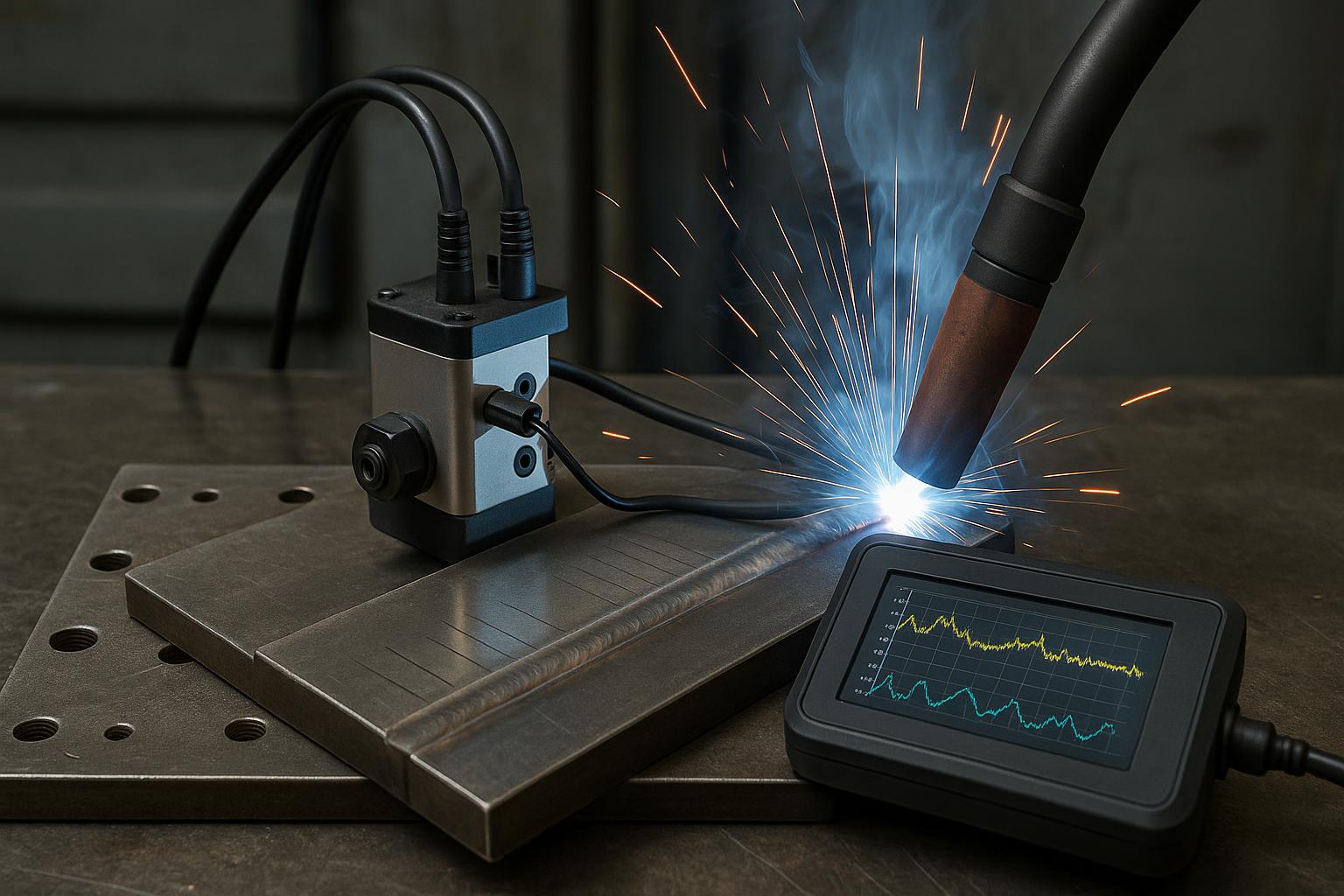
Key components include arc sensors, a data-logging system, and a feedback loop to adjust parameters as you weld. See AI-powered arc monitoring for related advanced tech.
How real-time arc monitoring works
Arc sensors capture current, voltage, arc length, and heat input. Data is logged and analyzed to detect deviations from the target path. A live feed can trigger automatic adjustments or prompt the welder to tweak technique, helping maintain consistent heat input and bead shape.
In practice, shops using data-driven prep report fewer pass/fail swings during cert tests. Learn more in data-driven prep.
Setup checklist for immediate implementation
- Define acceptance criteria for welds (allowable voltage swing, arc time, and bead consistency).
- Choose sensors suitable for your process (MIG/MAG, FCAW, or TIG) and plan secure mounting near the joint.
- Install a data-logging device and configure a real-time dashboard for arc metrics.
- Establish a rapid feedback loop, either manual or automated, to keep welds within spec.
- Validate with welded test coupons and document the results for traceability.
Practical tips for shop and cert tests
During certification tests, rely on live feedback to minimize hand-tuning and stay within procedure limits. For deeper guidance on testing under pressure, see certification under pressure.