How to Validate a Welding Shop Concept Before You Invest
Starting a welding shop is a big move. The best way to protect your capital and shorten time to profitability is to validate core assumptions before committing real money.
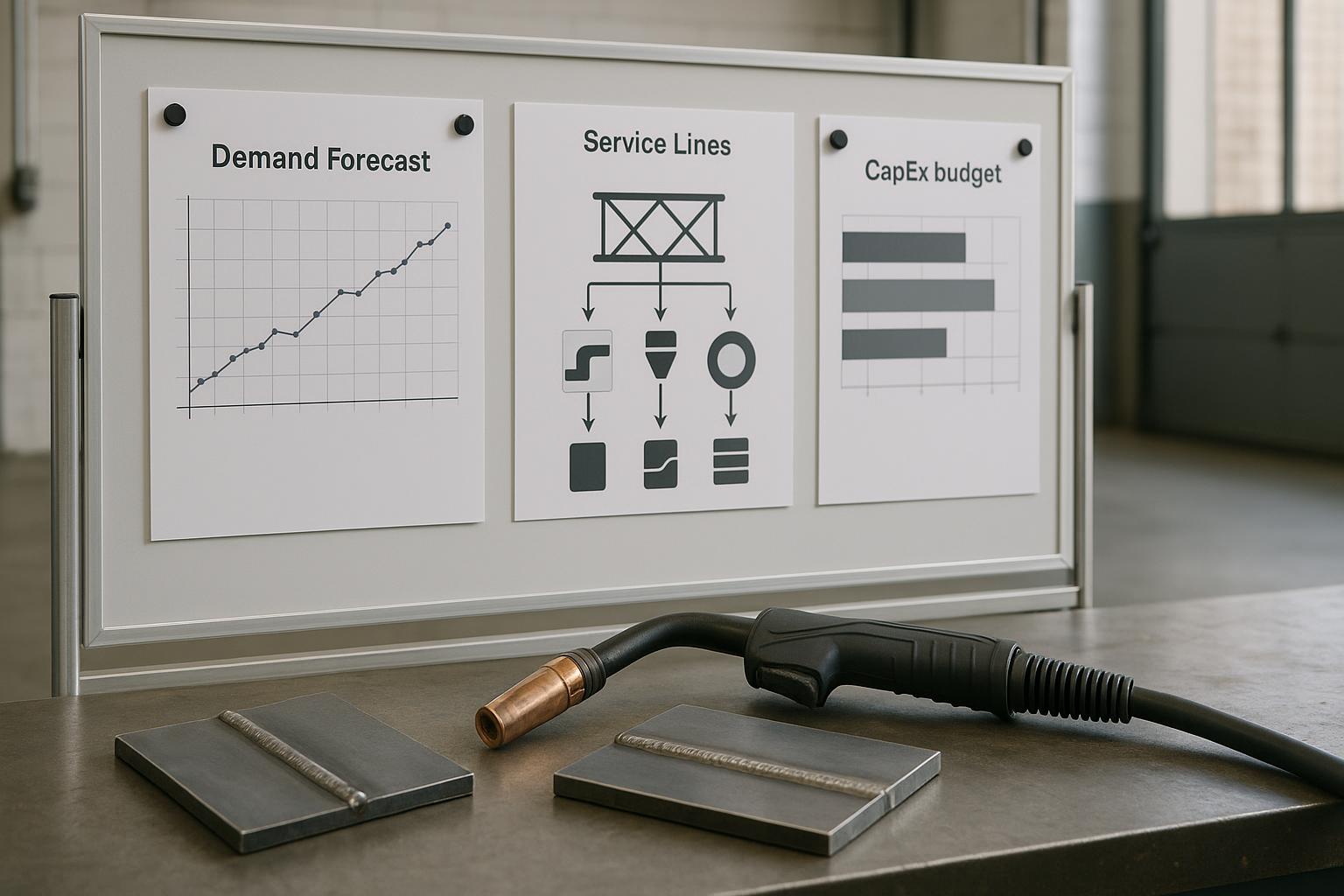
Use a practical framework that covers demand signals, service mix, equipment needs, and cash flow. The objective is to confirm there is a willing customer base, a profitable service lineup, and a viable path to cash flow within the first year.
1) Validate demand before committing capex
Talk to potential customers such as general contractors, fabrication shops, and maintenance teams in your area. Ask about frequency, scope, and willingness to pay for the services you plan to offer. Document patterns in a simple spreadsheet or CRM notes. For a more formal approach, see validated demand.
- Estimate monthly order volume by market segment
- Identify common metals, thicknesses, and welded joints in demand
- Assess competition and typical lead times
2) Define service lines that fit your market
A shop succeeds with a focused set of offerings that match demand. Consider core lines such as structural welding, fabrication, and repairs, plus value-added services like welding QA or inspection. Use local signals to select 2-4 primary lines, with 1-2 secondary lines to cover seasonality. For business strategy context, read starting a welding business.
3) Build a lean capex plan
Estimate equipment, facility, safety, and licenses for your chosen lines. Create a short list of must-haves and a longer wishlist, then pursue a staged rollout to avoid over-investing. If you’re exploring lean budgeting and startup playbooks, see bootstrapping for practical guidance.
- Initial welding power sources (multi-process if you need flexibility)
- Fume extraction and safety systems
- Fixture and jigs appropriate for your lines
4) Model early cash flow to de-risk the plan
Draft a simple 12-month cash-flow forecast using realistic utilization, billing rates, and labor costs. Include best- and worst-case scenarios, and plan for runway that covers at least 6-9 months of operating expenses. This helps answer whether the shop reaches positive cash flow within a year. If you’re evaluating pricing strategies, see lean pricing.
5) Next steps: move from idea to a validated plan
With validated demand, a clear service-line plan, and a grounded capex/ cash flow model, you can pursue a targeted launch. Build a short, testable roadmap and pursue your first customers or contracts while keeping risk low.