Deploying In-Process AI for Real-Time Weld Corrections
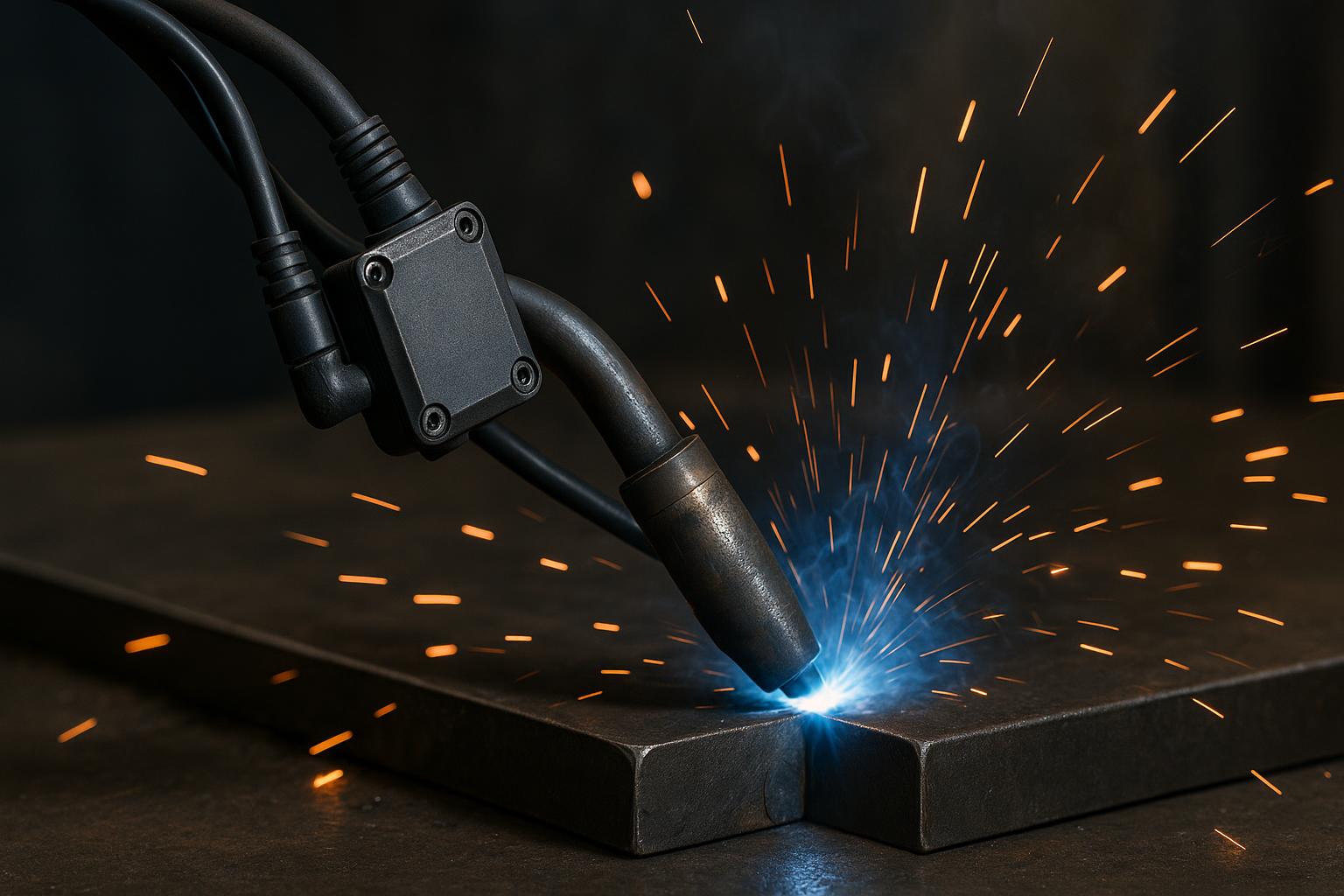
Edge computing is changing how welders receive feedback during a pass. By placing compact AI sensors and edge devices directly on the weld cell, you can monitor arc stability, heat input, and porosity and push actionable guidance to the welder in real time.
Edge compute refers to processing data locally on small devices near the weld, rather than sending everything to a distant server. In welding, this means sensor data is analyzed on a compact edge unit mounted near the torch, delivering near-instant feedback without latency or cloud outages. For practitioners, this approach reduces dependence on network reliability and keeps critical decisions in the hands of the operator.
Core components you’ll deploy
- Compact AI sensors to monitor arc stability, current, heat input, and porosity indicators.
- Edge computing device that runs lightweight inference and decision rules on-site.
- Feedback interface to the welder (visual HUD, torch-mounted indicator, or helmet display).
Step-by-step deployment (practical guide)
- Assess the welding task and determine which data points matter most for your joint type (arc stability, heat input, porosity).
- Choose a compact AI sensor and edge device that can be mounted on the torch or fixture without impeding movement.
- Mount sensors and wire them to the edge device, ensuring rugged cabling and EMI shielding in the harsh shop environment.
- Program simple feedback rules: if arc stability drops or porosity indicators rise, prompt the welder to adjust travel speed or wire feed accordingly.
- Test and calibrate the system during practice passes, collect results, and iterate on sensor thresholds and feedback phrasing.
Benefits and considerations
Real-time feedback can reduce rework, improve consistency, and help operators optimize heat input across complex joints. However, edge devices must be protected from heat, dust, and vibration, and models should remain lightweight to avoid lag or false positives.
For further reading on similar in-process monitoring approaches, see Smart Arc Monitoring and AI-driven quality checks in welding. You can also explore Real-Time Arc Analytics for related concepts like real-time data interpretation during a weld pass.