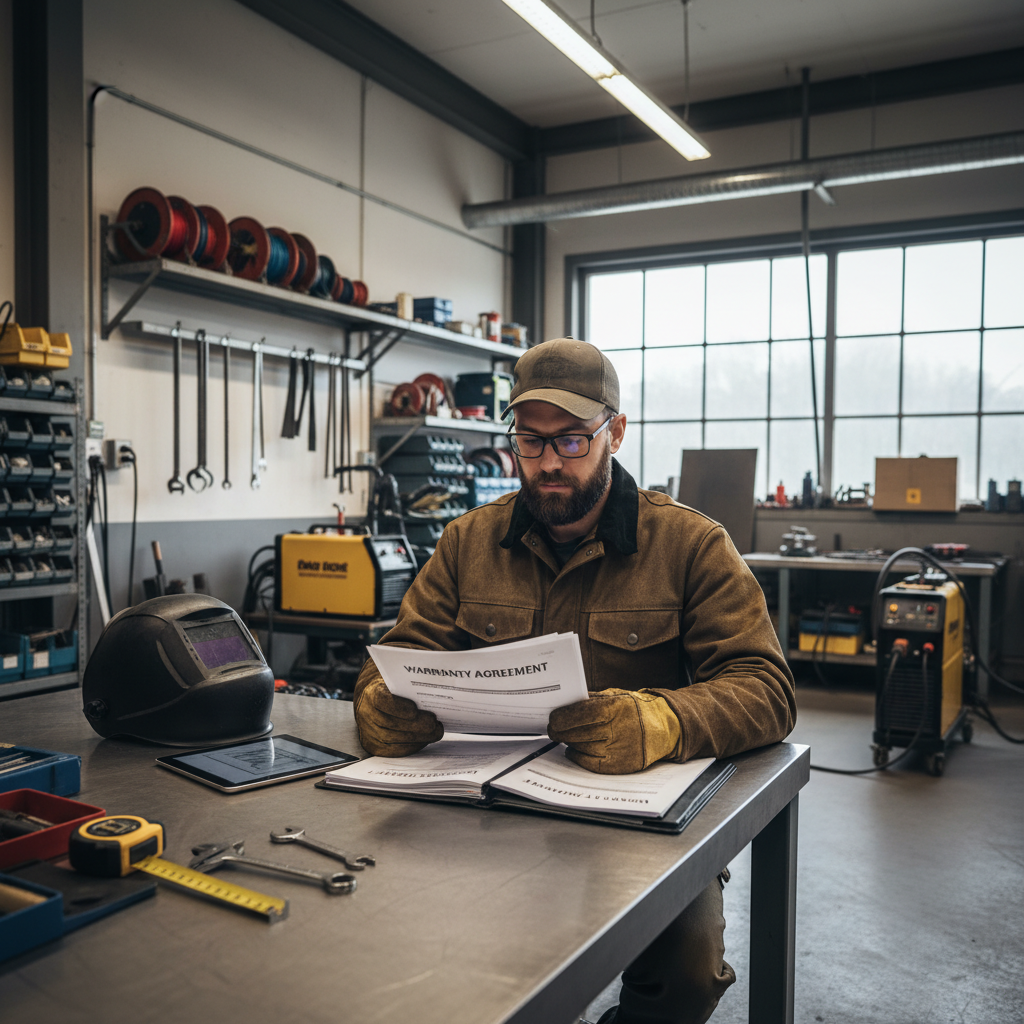
Look, warranty claims are like that one relative who shows up unannounced – inevitable and usually expensive. Every welder running their own shop will face them eventually. The trick isn’t avoiding warranty claims altogether (unless you’re some kind of welding wizard), but handling them without going broke or having customers talk trash about your work all over town.
Here’s the deal: warranty claims can either be profit-eating monsters that destroy your reputation, or manageable business expenses that actually build customer loyalty. The difference comes down to how you set up your warranty terms and handle the claims when they roll in.
Why Most Welders Screw Up Warranty Claims
Most of us learned to weld, not run businesses. So when it comes to warranties, we either:
Go overboard trying to be the “good guy” and promise to fix everything forever (hello, bankruptcy). Or we get gun-shy and offer warranties so restrictive that customers feel like we’re expecting our work to fail.
Both approaches suck. The first kills your profits. The second kills your reputation and makes you look like you don’t stand behind your work.
The sweet spot? Setting clear, fair warranty terms that protect your business while showing customers you’re confident in your welding. It’s not rocket science, but it does require thinking beyond “just make it stick.”
Setting Warranty Terms That Actually Work
Your warranty should be like a good weld – strong enough to do the job, but not overkill for the application. Here’s how to structure warranties that make sense:
Time-Based vs. Usage-Based Warranties
Don’t just slap a “one year warranty” on everything. A handrail sees different stress than structural fabrication. A field-ready multi-process weld in harsh conditions needs different coverage than shop work.
For light-duty stuff (handrails, decorative work): 12-24 months is reasonable. For structural work: 12 months or until the structure goes into service, whichever comes first. For high-stress applications: 6-12 months with clear usage limitations.
What’s Covered (And What Isn’t)
Be crystal clear about what constitutes a warranty claim. Weld failure due to your screw-up? Absolutely covered. Failure because the customer decided to use their “decorative” gate for pulling stumps? Not your problem.
Your warranty should cover: defective welds, poor penetration, inclusion defects, and heat-affected zone problems that result from improper technique.
It shouldn’t cover: normal wear, abuse, modifications, environmental damage beyond reasonable expectations, or failure of base materials you didn’t supply.
The Real Cost of Warranty Claims
Here’s what most welders don’t calculate: warranty work costs way more than just materials and time. You’ve got:
Lost revenue from other jobs while you’re fixing warranty work. Travel time and expenses to get back to the site. Potential damage to your schedule and other customer relationships. The mental stress of dealing with unhappy customers.
Smart welders build warranty costs into their pricing structure from day one. Figure 2-5% of your total project cost should cover reasonable warranty expenses. High-risk work might need more.
If you’re not factoring warranty costs into your bids, you’re essentially working for free when claims happen. And they will happen.
Documentation Is Your Best Friend
When warranty claims hit, good documentation is the difference between eating the cost and getting paid for legitimate additional work. Take photos of everything: base material condition, fit-up, completed welds, environmental conditions.
Keep records of: welding procedures used, material certifications, weather conditions, any customer-requested deviations from standard practice.
This isn’t just CYA paperwork. It’s evidence that helps you determine if a claim is legitimate and, if so, what actually went wrong.
Handling Claims Without Losing Your Mind
When a warranty claim comes in, your first instinct might be to get defensive. Don’t. Take a breath, grab your coffee, and treat it like any other troubleshooting problem.
The Initial Response
Acknowledge the claim within 24 hours. Not with excuses or defensiveness, but with something like: “Got your message about the issue with the XYZ project. I’ll be out to take a look within [timeframe] to assess what’s going on.”
This buys you time to investigate while showing the customer you’re taking it seriously. Most problems that seem like warranty issues at first glance turn out to be something else entirely.
The Investigation
Approach every claim like a detective, not a defendant. Sometimes what looks like weld failure is actually design issues, material problems, or use beyond what was specified.
Check your documentation against what you’re seeing. Look for signs of abuse, modification, or environmental factors. If you’re dealing with dissimilar-metal welding, galvanic corrosion might be the culprit, not your weld quality.
Take photos of everything and measure what you can. If it’s a legitimate warranty issue, you’ll want documentation for your records. If it’s not, you’ll need evidence to explain why.
When It’s Your Fault (And When It’s Not)
Here’s the hard truth: sometimes you screw up. Maybe you rushed the job, used the wrong rod, or didn’t clean the base metal properly. When that happens, own it and fix it.
But don’t automatically assume every failure is your fault. I’ve seen welders eat costs on “warranty” work that was clearly abuse, design problems, or normal wear and tear.
Common Non-Warranty Issues
Cracking due to poor design or inadequate base material thickness. Corrosion from environmental conditions beyond what was specified. Failure due to loads exceeding design parameters. Damage from modifications made after completion.
When you encounter these situations, explain the actual cause professionally. Most customers appreciate understanding what really happened, even if it means the repair isn’t free.
Legitimate Warranty Issues
Sometimes it really is on you. Incomplete penetration, porosity, or heat-affected zone problems that result from improper technique are legitimate warranty claims.
When you find a real problem with your work, fix it promptly and professionally. Use it as a learning experience to prevent similar issues on future jobs.
Turning Claims Into Opportunities
This might sound crazy, but handled right, warranty claims can actually strengthen customer relationships. When you respond quickly, investigate thoroughly, and make things right, customers see you as someone who stands behind their work.
I’ve had warranty situations turn into repeat customers and referrals because of how I handled the problem. The key is treating each claim as an opportunity to demonstrate professionalism, not as an attack on your skills.
The Follow-Up
After resolving a warranty claim, follow up in a few weeks to make sure everything’s still working properly. This shows you care about the long-term success of your work, not just getting the immediate problem off your plate.
It also gives you a chance to identify any systemic issues that might need attention in your processes or heat management procedures.
Building Warranty Costs Into Your Business Model
Smart welders don’t just hope warranty claims won’t happen – they plan for them financially. Set aside a percentage of each job’s profit to cover warranty work. This warranty reserve fund keeps claims from destroying your cash flow.
Track your warranty costs over time. If you’re consistently spending more than 3-5% of revenue on warranty work, you might have a quality control problem that needs addressing.
Consider offering extended warranties as an upsell for customers who want extra peace of mind. Price them based on your actual warranty experience, not just a guess.
Insurance and Liability
Make sure your general liability insurance covers warranty work and potential consequential damages. A small weld failure that causes larger problems can cost way more than just fixing the weld itself.
Some jobs might warrant professional liability insurance, especially if you’re doing design work or working on critical applications where failure could cause significant damage.
Prevention Is Worth a Pound of Fix
The best warranty claims are the ones that never happen. Invest in proper certification and keep your skills sharp. Use quality materials and proper procedures.
Document your processes and stick to them. When you’re rushing to finish a job, that’s exactly when you need to slow down and follow your standard procedures most carefully.
Regular equipment maintenance prevents a lot of weld quality issues. Your field-ready equipment needs consistent care to deliver consistent results.
Quality Control Systems
Develop inspection checklists for different types of work. Visual inspection catches most problems before they become warranty claims. For critical work, consider dye penetrant testing or other non-destructive methods.
Train yourself to spot potential problems before they become failures. Stress concentrations, poor fit-up, and environmental factors often give warning signs if you know what to look for.
The Bottom Line on Warranty Claims
Warranty claims are part of running a welding business, not a sign that you’re a bad welder. The key is managing them systematically rather than reactively.
Set clear warranty terms that protect your business while demonstrating confidence in your work. Build warranty costs into your pricing so claims don’t kill your profitability. Handle claims professionally and use them as opportunities to build stronger customer relationships.
Remember: customers don’t expect perfection, but they do expect you to stand behind your work when problems arise. Handle warranty claims right, and they’ll become a competitive advantage rather than a business liability.
The welders who succeed long-term aren’t the ones who never have problems – they’re the ones who handle problems professionally and learn from them. Make warranty claims part of your business strategy, not something that happens to you.