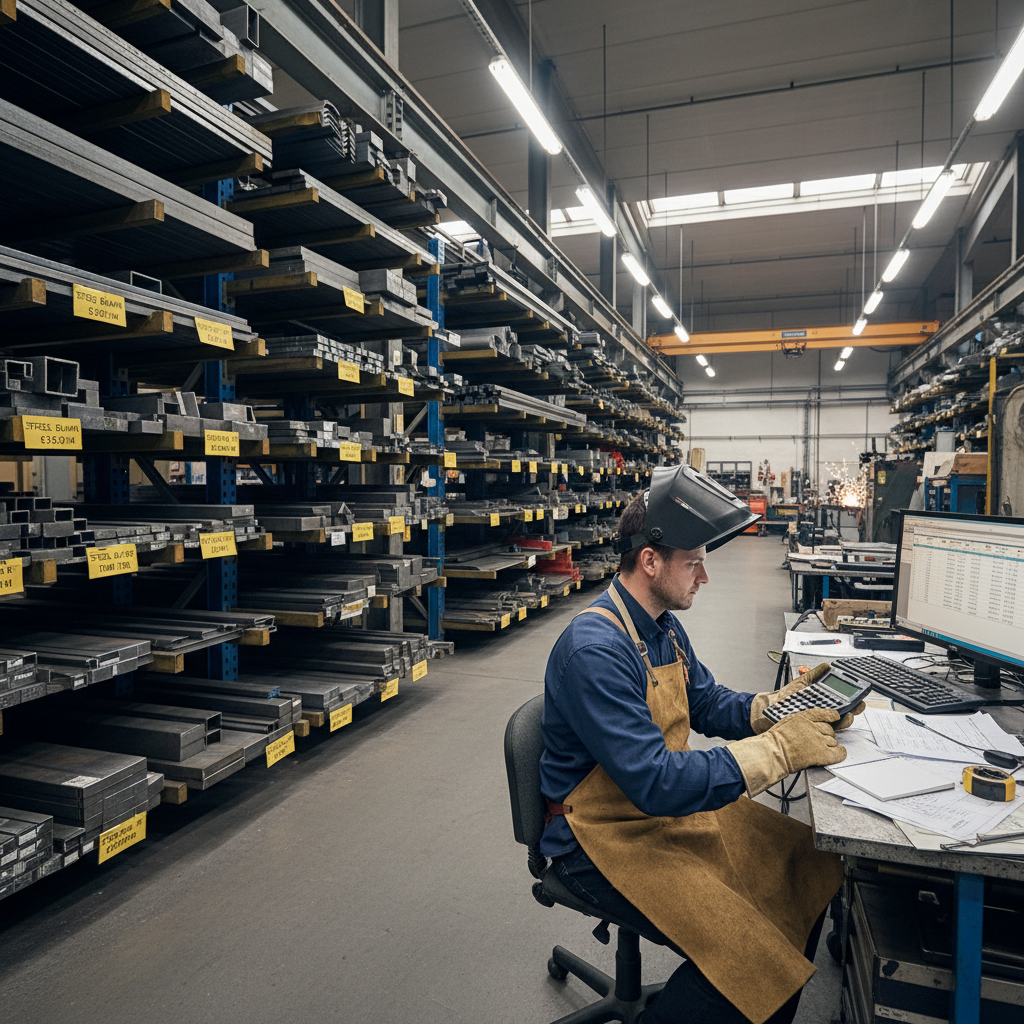
Look, I’ve been running torches for over a decade, and I’ve seen too many good welders go broke because they’re treating material markup like some kind of dirty word. You’re out there doing quality work, but you’re passing materials through at cost while your competition is banking 30-40% on every stick of steel they touch.
Here’s the truth nobody wants to tell you: if you’re not marking up materials, you’re basically working for free on half your job. The successful shops aren’t just better welders – they understand that material markup is where the real money lives.
Why Material Markup Matters for Welding Businesses
Every time you buy steel at retail and pass it through at cost, you’re leaving money on the table. Think about it – you’re not just a material delivery service. You’re sourcing, handling, cutting, prepping, and guaranteeing that material.
The guys making real money understand this. They’re not ashamed to charge for their expertise in material selection, their relationships with suppliers, and their ability to get the right stuff on time.
Besides, your overhead doesn’t stop when you’re picking up materials. Your truck, your time, your storage – all of that costs money. Meanwhile, the shop down the road is charging 25% markup and reinvesting that profit into better equipment and field-ready multi-process welders.
Standard Material Markup Rates Across Industries
Let’s cut through the guesswork. Here’s what actual profitable shops are charging:
Structural steel: 20-35% markup depending on complexity and quantity. Simple angle iron? Lower end. Custom cut and prepped beams? Upper end.
Specialty alloys: 40-60% markup because you’re dealing with specialized suppliers and limited availability. Your knowledge of proper handling and storage adds value.
Consumables (rods, wire, gas): 15-25% markup. Lower percentage but higher volume adds up fast.
These aren’t random numbers. They reflect the real costs of doing business – and the value you provide beyond just moving metal around.
Smart Sourcing Strategies That Boost Profits
The key to successful material markup starts with smart sourcing. You can’t mark up retail prices and stay competitive. You need wholesale relationships.
Start with your local steel supply houses. Most will give contractor pricing once you prove you’re legitimate. That means business license, insurance, and consistent volume. Even if you’re small, showing up regularly builds relationships.
Don’t sleep on metal service centers. They often have better pricing on specialty materials and can do custom cutting. The time you save on prep work translates to higher effective markup.
For consumables, consider joining buying groups or working with distributors who understand the welding trade. The savings on volume purchases of rods and wire can significantly improve your margins.
Remember, your pricing for certification services should reflect these improved material costs too.
How to Present Material Costs to Clients
This is where a lot of welders get squeamish. They think customers will balk at marked-up materials. Wrong approach.
First, never itemize your material markup separately. Build it into your project pricing. Your quote should show labor, materials, and total project cost – not “steel plus 25% markup.”
Second, emphasize the value you’re providing. You’re not just buying materials – you’re sourcing the right grade, ensuring proper certification, handling delivery logistics, and guaranteeing quality.
When clients ask about material costs, be confident: “Materials are sourced based on specifications and include all handling, preparation, and project management.” You’re a professional, not a parts runner.
For larger projects, consider showing a materials allowance. This gives clients budget transparency without revealing your sourcing strategies.
Advanced Markup Techniques for Different Job Types
Not all jobs are created equal. Your material markup strategy should reflect the complexity and risk of each project.
Emergency repairs: Higher markup (40-50%) because you’re sourcing materials on short notice, often from retail suppliers. The urgency premium is justified.
Custom fabrication: 35-45% markup because you’re often dealing with specialty materials, multiple suppliers, and material waste from custom cutting.
Production work: Lower markup (15-25%) but higher volume. The efficiency of bulk purchasing offsets the reduced percentage.
For projects requiring adaptive multimaterial welding, your markup should reflect the complexity of sourcing different alloys and the expertise required for proper material handling.
Common Markup Mistakes That Kill Profits
I’ve seen welders make the same mistakes over and over. Don’t be one of them.
Mistake #1: Applying the same markup to everything. A standard 4×8 sheet of mild steel doesn’t deserve the same markup as custom-cut stainless components.
Mistake #2: Not accounting for waste. Your material costs should include cutoff drops, grinding losses, and the occasional piece that doesn’t meet spec.
Mistake #3: Forgetting about carrying costs. That steel sitting in your yard isn’t free storage. Factor in the cost of inventory.
Mistake #4: Not adjusting for market volatility. Steel prices fluctuate. Your pricing should include a buffer for price increases between quote and completion.
Additionally, many welders fail to consider how their choice of hybrid battery-powered welders affects their material handling efficiency and associated costs.
Building Supplier Relationships for Better Margins
Your relationship with suppliers directly impacts your material markup potential. Treat them like business partners, not just vendors.
Pay your bills on time. Seriously. Good credit with suppliers opens doors to better pricing, extended terms, and priority service when you need materials fast.
Consolidate your purchases when possible. Spreading small orders across multiple suppliers costs you leverage. Pick your primary suppliers and build volume with them.
Communicate your needs clearly. Suppliers can often suggest alternatives that save money without compromising quality. Their expertise helps your bottom line.
For specialized work, develop relationships with multiple suppliers. Having backup sources prevents project delays and gives you negotiating power.
Technology Tools for Material Cost Management
Don’t try to track all this in your head or on scraps of paper. Use technology to manage material costs effectively.
Material tracking software helps you monitor usage patterns, waste percentages, and supplier performance. This data drives better purchasing decisions and more accurate pricing.
Mobile apps can help you check current steel prices while you’re on-site with customers. No more guessing at material costs during project discussions.
Inventory management systems prevent over-ordering and help you identify slow-moving stock. Dead inventory kills cash flow and reduces effective markup.
Integration with your garage to shop transition planning helps you scale material management as your business grows.
Scaling Material Operations as You Grow
As your business expands, your material markup strategy needs to evolve. What works for a one-man operation won’t cut it when you’re running multiple crews.
Consider direct relationships with mills for high-volume materials. The pricing can be significantly better, but you’ll need the volume and storage capacity to make it work.
Evaluate material handling equipment investments. Forklifts, cranes, and cutting equipment reduce labor costs and improve efficiency. The savings flow directly to your markup margins.
Develop standard material lists for common jobs. This streamlines purchasing and helps with inventory management. Your material markup becomes more predictable and manageable.
For larger operations, consider dedicated purchasing staff. Their expertise in sourcing and supplier management can dramatically improve your material margins.
Regional Variations and Market Factors
Material markup isn’t the same everywhere. Your local market conditions directly impact what you can charge.
In rural areas with limited suppliers, higher markups are often accepted because of the convenience factor. Customers understand the logistics challenges.
Urban markets with heavy competition might require lower markups but offer higher volume opportunities. The math still works if you’re efficient with sourcing.
Industrial areas often have better supplier options but more sophisticated customers who understand material costs. Your value proposition needs to be stronger.
Consider how your strategic niches affect material markup opportunities in your specific market.
The Bottom Line on Material Markup
Here’s the reality: material markup isn’t optional if you want to build a profitable welding business. It’s a fundamental part of your pricing strategy that separates professionals from parts runners.
Start with conservative markups and adjust based on your market and costs. Track your results and refine your approach. The goal is sustainable profitability, not maximum markup on every job.
Remember, you’re not just selling materials – you’re selling expertise, convenience, and reliability. Price accordingly, and don’t apologize for charging what your service is worth.
The welders making real money understand this. They’ve moved beyond hourly billing to project-based pricing that properly values their material management expertise. That’s the difference between running a business and just having a job with extra steps.