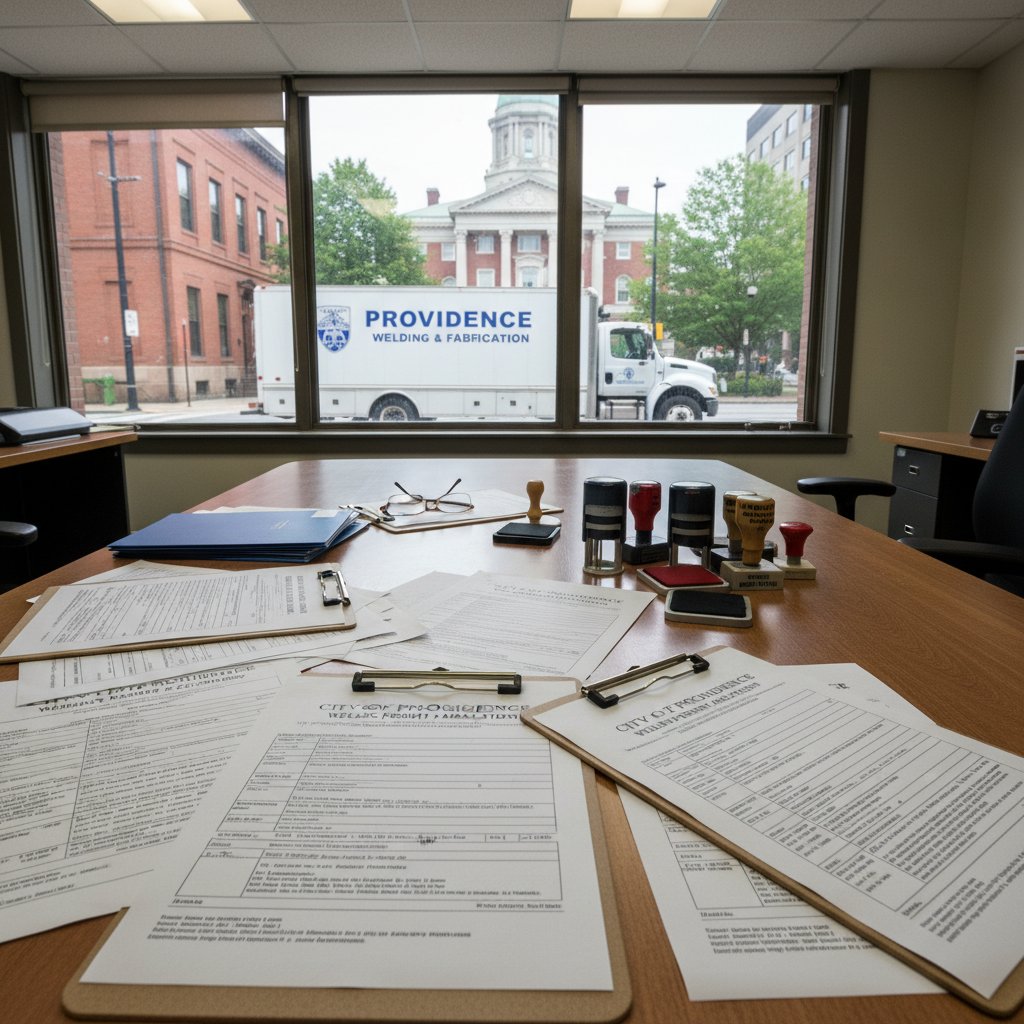
Let me guess – you’re sitting in some dingy city office, filling out form number seventeen for your mobile welding permits, wondering why the hell they need to know your blood type and mother’s maiden name just so you can fix a gate. Welcome to permit hell, where logic goes to die and bureaucrats multiply faster than sparks on a grind wheel.
Every city treats mobile welders differently. Some places roll out the red carpet. Others act like you’re planning to build a nuclear reactor in someone’s driveway. The truth? Most permit requirements make about as much sense as using a cutting torch as a nightlight.
Here’s the reality check you need: getting your paperwork straight isn’t optional anymore. One unpermitted job gone wrong, and you’re looking at fines that’ll make your insurance premiums look like pocket change. So let’s cut through the bureaucratic BS and get you permitted up properly.
Understanding Mobile Welding Permits by City Type
Not all cities are created equal when it comes to mobile welding permits. Big metropolitan areas usually have their act together – standardized forms, online portals, clear fee schedules. It’s the mid-size cities that’ll drive you nuts with their half-baked requirements and “we’ll figure it out as we go” attitude.
Small towns often don’t even know mobile welding exists. I once had a permit clerk ask if I needed a vendor license to sell hot dogs. No joke. Rural counties might not require permits at all, but don’t assume – always check first.
Industrial cities get it. They understand welding, fabrication, and why you need to work on-site. These places usually have streamlined processes because they deal with contractors daily. Agricultural areas? Hit or miss. Some are contractor-friendly, others treat any outside business like an invasion.
Metropolitan Areas: The Good and Bad
Big cities have resources but also red tape. Expect multiple departments – business licensing, fire marshal, building department, maybe even environmental if you’re doing heavy work. The upside? Everything’s documented, processes are standardized, and you can usually handle most of it online.
Los Angeles requires a business license plus contractor registration. Chicago wants proof of insurance before they’ll even talk to you. New York has borough-specific requirements that change faster than the weather. But hey, at least their websites work most of the time.
Small Towns: Wild West Rules
Small towns are where permit requirements get creative. I’ve seen places require a $500 deposit “just in case.” Others want a detailed equipment list including serial numbers. One town made me provide a soil contamination report for welding a trailer hitch.
The trick with small towns? Call ahead and talk to a human. Their websites are usually garbage, forms are outdated, and half the staff doesn’t know current requirements. But once you get someone on the phone who knows what they’re talking about, they’ll often walk you through everything.
Essential Mobile Welding Permits and Documentation
Let’s talk about what you actually need versus what they think you need. Core requirements usually include: business license, contractor license (if applicable), liability insurance proof, and sometimes a fire permit for hot work.
Your startup investment planning should include permit fees from day one. Budget at least $500-1500 per city you plan to work in regularly. Some places hit you with annual renewals, others are one-time fees.
Insurance documentation is non-negotiable. Most cities want minimum $1M liability, some require $2M. Workers comp is usually required if you have employees. Professional liability? Only if you’re doing structural work or certified inspections.
Hot Work Permits: The Daily Grind
Hot work permits are where things get stupid fast. Some cities require them for any welding, others only for work near buildings or flammable materials. Fees range from $25 to $200 per permit, and they’re usually single-use.
The worst part? Expiration times. I’ve seen permits good for 24 hours, others for 30 days. Some require fire watch personnel, others just want a fire extinguisher on-site. Read the fine print or you’ll get burned – sometimes literally.
Pro tip: If you’re doing regular work for a facility, ask if they can pull the hot work permits. Many industrial clients have blanket permits that cover contractor work. Saves you time and money.
Common Permit Roadblocks and How to Avoid Them
Here’s where most welders crash and burn: incomplete applications. Cities love rejecting paperwork for missing signatures, wrong forms, or insufficient documentation. They won’t call to tell you what’s missing – they’ll just send your application back and reset the clock.
Insurance issues kill more applications than anything else. Your policy needs to specifically cover mobile welding operations. General contractor insurance might not cut it. Make sure your agent understands what you do and covers it properly.
Zoning violations are another landmine. Residential areas often prohibit commercial operations, even temporary ones. Industrial zones are usually safe, but commercial areas can be tricky depending on noise ordinances and fire codes.
The Inspection Trap
Some cities require equipment inspections before issuing permits. They want to see your field-ready welding equipment, check safety gear, verify gas storage compliance. Schedule these early – inspectors book up fast.
Failed inspections mean starting over. Common failures: improper gas bottle storage, missing safety equipment, non-compliant extension cords, inadequate ventilation plans. Have your gear squared away before calling for inspection.
Equipment certification matters too. Some jurisdictions require AWS or ASME certified welders for structural work. Your certification planning should align with your target markets’ requirements.
Streamlining Your Permit Application Process
Organization is everything when dealing with mobile welding permits. Keep digital copies of everything – business license, insurance certificates, equipment specs, safety protocols. Cloud storage is your friend here.
Create city-specific folders with application forms, fee schedules, contact information, and notes from previous interactions. What worked in one city might work in similar jurisdictions. Document everything.
Batch your applications when possible. If you’re expanding into multiple cities in one region, submit applications simultaneously. Some regions have reciprocity agreements that can speed things up.
Technology That Actually Helps
Skip the fancy permit management software – most of it’s overkill for mobile welders. A simple spreadsheet tracking application dates, renewal dates, fees, and requirements works better than expensive solutions designed for general contractors.
Use your phone’s camera for documentation. Take photos of submitted applications, receipts, inspection results. Email them to yourself immediately. You’ll need this stuff later, guaranteed.
Set calendar reminders for renewal dates. Missing a renewal deadline means starting from scratch, often with late fees attached. Some cities give grace periods, others don’t care if you’re one day late.
Working With Different City Departments
Building departments usually handle structural work permits. They understand engineering, load calculations, and code requirements. Fire marshals focus on safety – hot work permits, ventilation, emergency access. Business licensing departments just want their fees and paperwork.
Each department speaks a different language. Building inspectors want to see calculations and material specs. Fire marshals care about clearances and safety protocols. Business licensing clerks just process forms.
Learn who’s who in each city. The grumpy inspector who failed your first application might be your best resource once you prove you know what you’re doing. Most bureaucrats appreciate contractors who come prepared and follow rules.
Building Relationships That Matter
Permit clerks have more power than you think. They can expedite applications, waive minor requirements, or point you toward the right department when you’re lost in the system. Treat them well.
Bring donuts occasionally. Seriously. These people deal with cranky contractors all day. A little courtesy goes a long way. Remember their names, ask about their families, be human.
When you screw up – and you will – own it immediately. Don’t make excuses, don’t blame the system. Apologize, fix the problem, and move on. Permit offices have long memories for both good and bad contractors.
Cost Management and Budgeting for Permits
Permit fees add up faster than you think. Business licenses run $50-500 annually. Hot work permits cost $25-200 each. Equipment inspections average $100-300. Multiply by every city you work in, and you’re looking at serious money.
Factor permit costs into your job pricing from the start. Don’t eat these costs hoping to win bids – you’ll go broke fast. Clients understand permit requirements, especially commercial and industrial customers.
Your service pricing strategy should include permit recovery. Some welders add a flat permit fee to every job, others track actual costs and bill accordingly. Find what works for your operation.
Hidden Costs Nobody Talks About
Lost time is the biggest hidden cost. Hours spent in permit offices, waiting for inspections, driving to different departments. This time costs money even if you’re not charging for it.
Expedite fees can kill profitability on rush jobs. Some cities charge double or triple for fast-track processing. Factor this into emergency repair pricing or you’ll work for free.
Parking and travel costs mount up too. City offices rarely have convenient parking, inspectors charge mileage, and multiple trips for incomplete applications add up quickly.
Regional Variations and Special Considerations
West Coast cities love environmental regulations. Expect questions about waste disposal, air quality impacts, and storm water runoff. Keep your operation clean and document proper disposal methods.
Midwest industrial cities focus on safety and insurance. They’ve seen too many accidents and lawsuits. Carry good coverage and follow safety protocols religiously. Southern cities often have streamlined processes but inconsistent enforcement.
Coastal areas worry about salt air corrosion and hurricane preparedness. Your portable welding equipment needs to handle harsh conditions and quick mobilization.
Seasonal Permit Considerations
Winter work in northern cities requires additional planning. Snow removal access, emergency vehicle clearance, and cold weather safety protocols all factor into permit approval.
Summer fire restrictions affect hot work permits in dry climates. Some areas ban welding entirely during high-risk periods. Plan your seasonal scheduling around these restrictions.
Hurricane season impacts Gulf Coast permitting. Cities may suspend permit issuance before storms or require additional securing measures for equipment and materials.
Digital Tools and Permit Management Systems
Most cities now offer online permit applications. Use them when available – they’re usually faster and provide better tracking than paper submissions. Keep confirmation emails and reference numbers.
Mobile apps for permit tracking are hit or miss. Stick with proven solutions rather than the latest startup’s offering. Your permit management system needs to be reliable when deadlines matter.
Digital document storage is essential. Cloud-based systems let you access permits and certificates from any jobsite. Local storage works until your truck gets broken into or your laptop dies.
Automation That Makes Sense
Calendar integration prevents missed renewals. Set up automatic reminders at 60, 30, and 15 days before expiration. Some welders use project management tools, but simple calendar alerts work just as well.
Template applications speed up the process for similar jurisdictions. Create master templates with common information pre-filled. Customize for specific cities rather than starting from scratch every time.
Photo documentation streamlines inspections. Take consistent photos of equipment setups, safety measures, and completed work. Inspectors appreciate visual documentation, and it protects you if questions arise later.
Advanced Permit Strategies for Growing Operations
As your business expands, consider annual permits where available. The upfront cost is higher, but you save time and money on high-volume operations. Calculate break-even points before committing.
Reciprocity agreements between jurisdictions can reduce paperwork. Some regions honor neighboring cities’ permits or offer expedited approval for established contractors. Research these opportunities in your service area.
Developing relationships with permit expediting services makes sense for large operations. These companies specialize in navigating bureaucratic systems and can save significant time on complex projects.
Multi-State Operations
Interstate work adds complexity but also opportunity. Research reciprocity agreements, professional licensing requirements, and tax implications before expanding across state lines.
Some states require contractor licensing for any paid work, others only for jobs over certain dollar amounts. Know the rules before you bid on out-of-state projects.
Federal facilities often have their own permitting processes that supersede local requirements. Military bases, post offices, and federal buildings operate under different rules than municipal projects.
Navigating mobile welding permits isn’t fun, but it beats explaining to a judge why you thought permits were optional. The bureaucracy sucks, but it’s part of doing business professionally. Get your paperwork straight, build relationships with permit offices, and factor costs into your pricing. Your future self will thank you when competitors are getting shut down while you’re still welding.