Designing a Timed Lab Run Kit for Certification Success
Welding certification tests measure more than raw technique; they test your ability to apply the right method, set up fixtures quickly, and manage time under pressure. A process-first approach aligns study with the real exam by prioritizing method selection, fixture setup, and time-boxed practice runs.
A well-structured lab run kit helps you reproduce the exam environment and measure improvement over time. Start with a clear plan that defines which welding process to practice, how fixtures will hold the joint, and how you will record your results for every trial.
What a process-first plan looks like
At its core, the plan follows three pillars: weld-method selection, fixture readiness, and time management. Method selection ensures you practice the process you intend to be tested on, not a general welding workflow. Fixture readiness reduces setup time and ensures repeatable results. Time management trains you to complete each segment within the allotted window while maintaining quality.
For example, if your cert requires a weld on a thin plate with a flat position, you would choose a compatible process (e.g., TIG for thin steel), set up your fixture with proper clamps and alignment, and create a per-seat time budget (e.g., 6 minutes per pass, 2 minutes for setup).
Building your timed lab run kit
- Method selection criteria: list the allowable welding processes, material, and thickness; document any prerequisites (gas coverage, insulation, etc.).
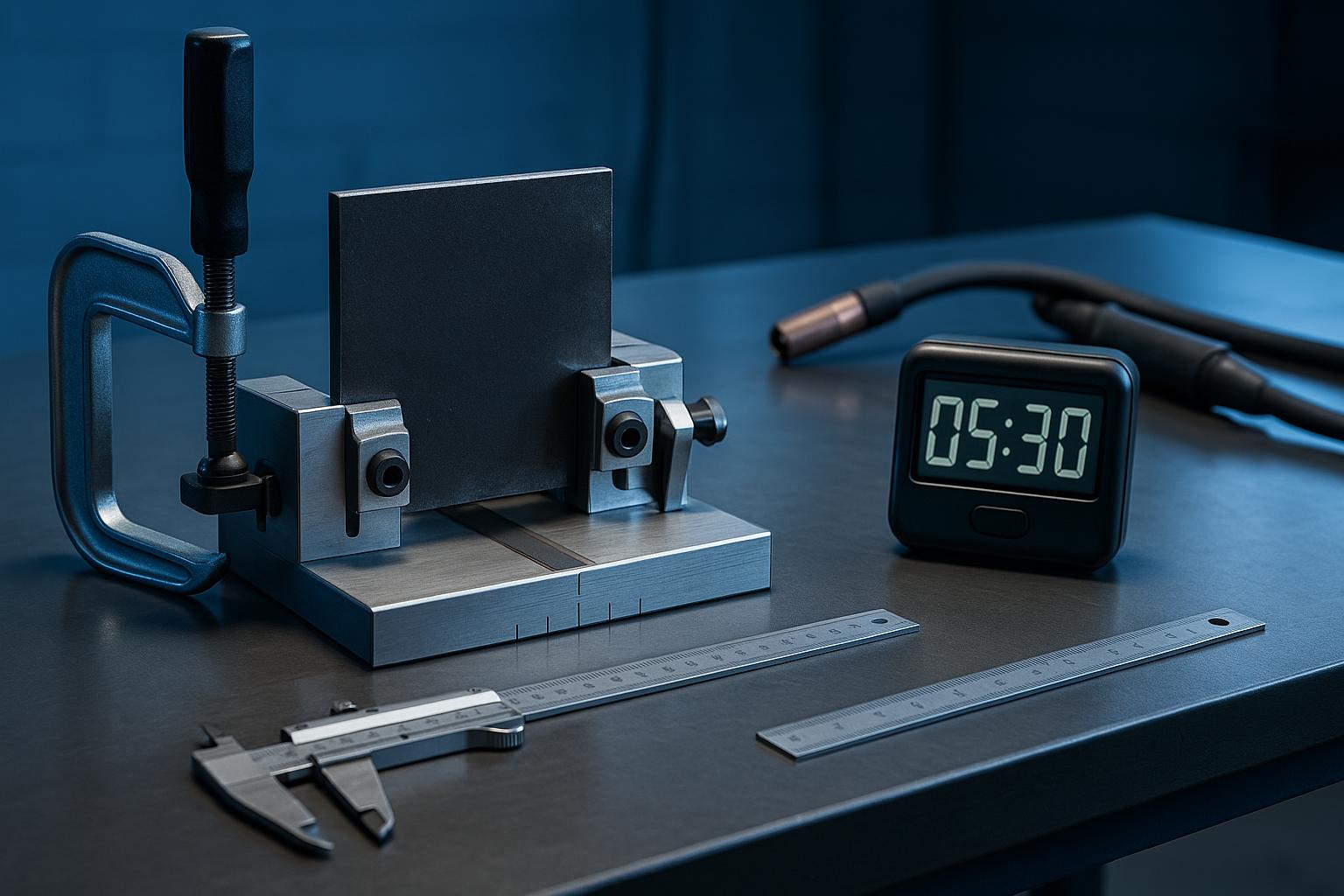
- Fixture set design: include a fixture with repeatable clamp pressure, alignment marks, and easy access for the torch.
- Time budgets and scoring: define target times for each segment and a simple rubric to judge quality (bead shape, penetration, undercut, spatter).
- Instrumentation & feedback: use a stopwatch or timer with audible ticks, a clipboard for notes, and a quick checklist for setup steps.
As you build your kit, consider how you will adjust based on outcomes. A data-driven approach helps you see which steps consistently slow you down or cause defects, so you can iterate.
Integrating internal references
For a deeper look at structuring exam-day strategy, see our certification test day guide. You can also benefit from practical fixture insights in smart test fixtures, which outline fixtures that reduce setup time and improve repeatability. A data-driven angle is explored in data-driven certification prep, showing how to track progress over weeks of practice. If you’re using portable systems, our portable test stations post offers portable, multi-process configurations.
With consistency and disciplined practice, you can align your study plan with the timed demands of the exam, improving both confidence and performance on test day.