Using Multi-Sensor Data to Predict Defects in Real Time
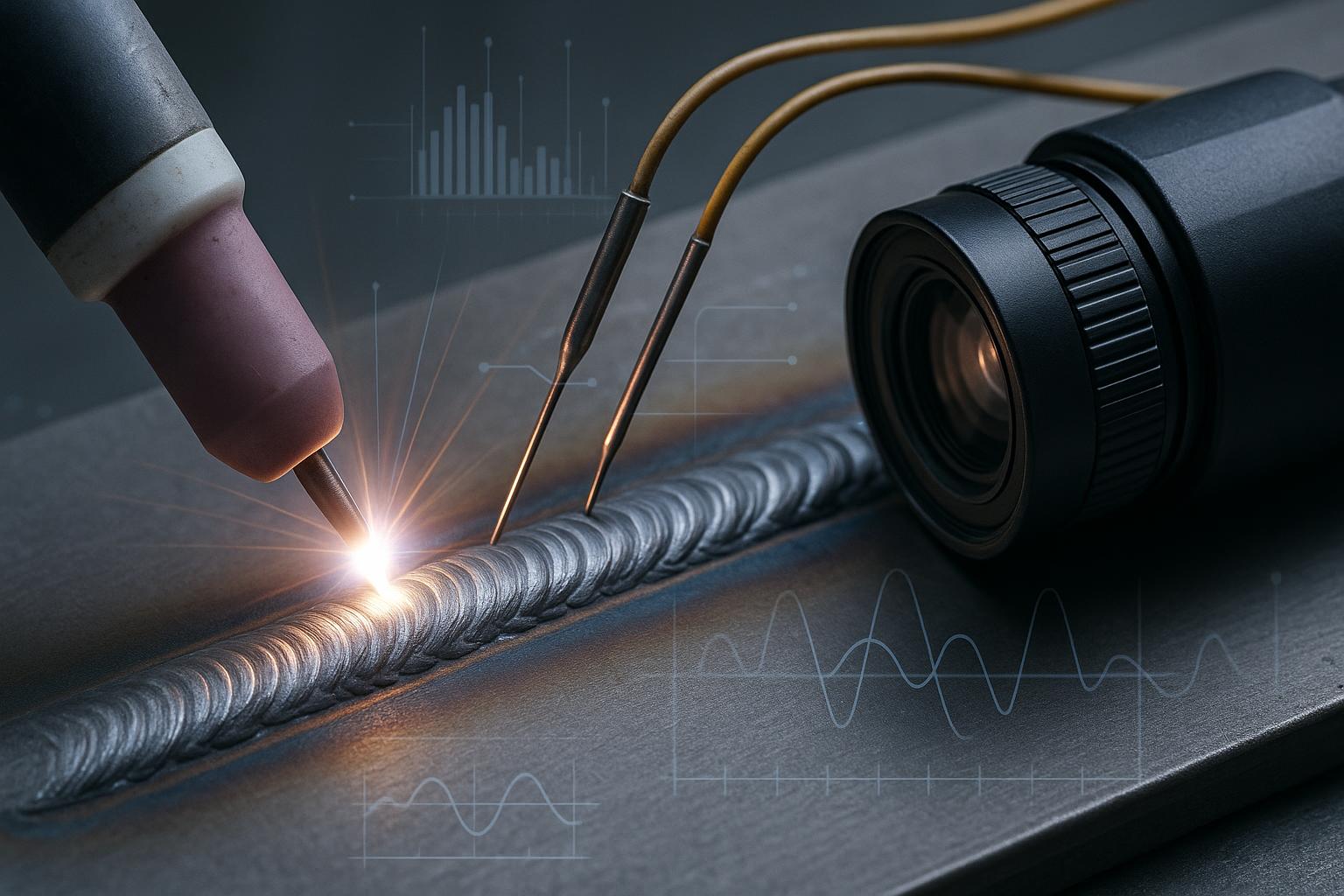
Sensor fusion blends arc monitoring data, temperature readings, and visual observations to predict weld outcomes in real time. This approach provides feedback that welders can act on mid-weld to reduce defects and improve repeatability across batches.
What data to combine
Effective fusion starts with the right signals. Key data sources include arc stability metrics, temperature profiles from thermocouples, and high-resolution visual data of the molten pool and bead formation. Together, these signals form a more reliable picture than any single sensor alone.
- Arc stability metrics (current, voltage, skew, oscillation)
- Temperature profiles near the weld pool
- Visual cues from the molten pool and bead geometry
- Spatter patterns and surface appearance for consistency
For real-world workflows, leverage both arc data and thermal/visual streams to build robust features for defect likelihood models. See Real-Time Arc Analytics for an example workflow that tracks arc stability in real time.
How the feedback loop works
- Collect synchronized sensor streams from arc, temperature, and vision systems
- Fuse features and estimate defect likelihood in real time
- Provide immediate adjustments or guidance to the welder
- Record results to refine models and retrain sensors
With a disciplined data pipeline, teams can observe how sensor fusion correlates with outcomes. This aligns with AI-powered approaches to quality checks and supports data-driven certification prep, see AI-powered quality checks for more on anomaly detection.
Implementation tips
- Start with baseline signals and align sampling rates
- Calibrate sensors for the weld type (materials, thickness, process)
- Use robust, low-latency fusion to keep feedback actionable
- Document results to support data-driven certification prep
When you’re ready to tie results to training and certification efforts, explore data-driven strategies for certification prep via data-driven certification prep. This helps quantify improvements and build repeatable processes.
Bottom line: integrating arc, temperature, and visual data creates a more reliable, real-time view of weld quality, enabling faster corrections and higher consistency across welds.