ROI, Setup, and Battle-Tested Workflows
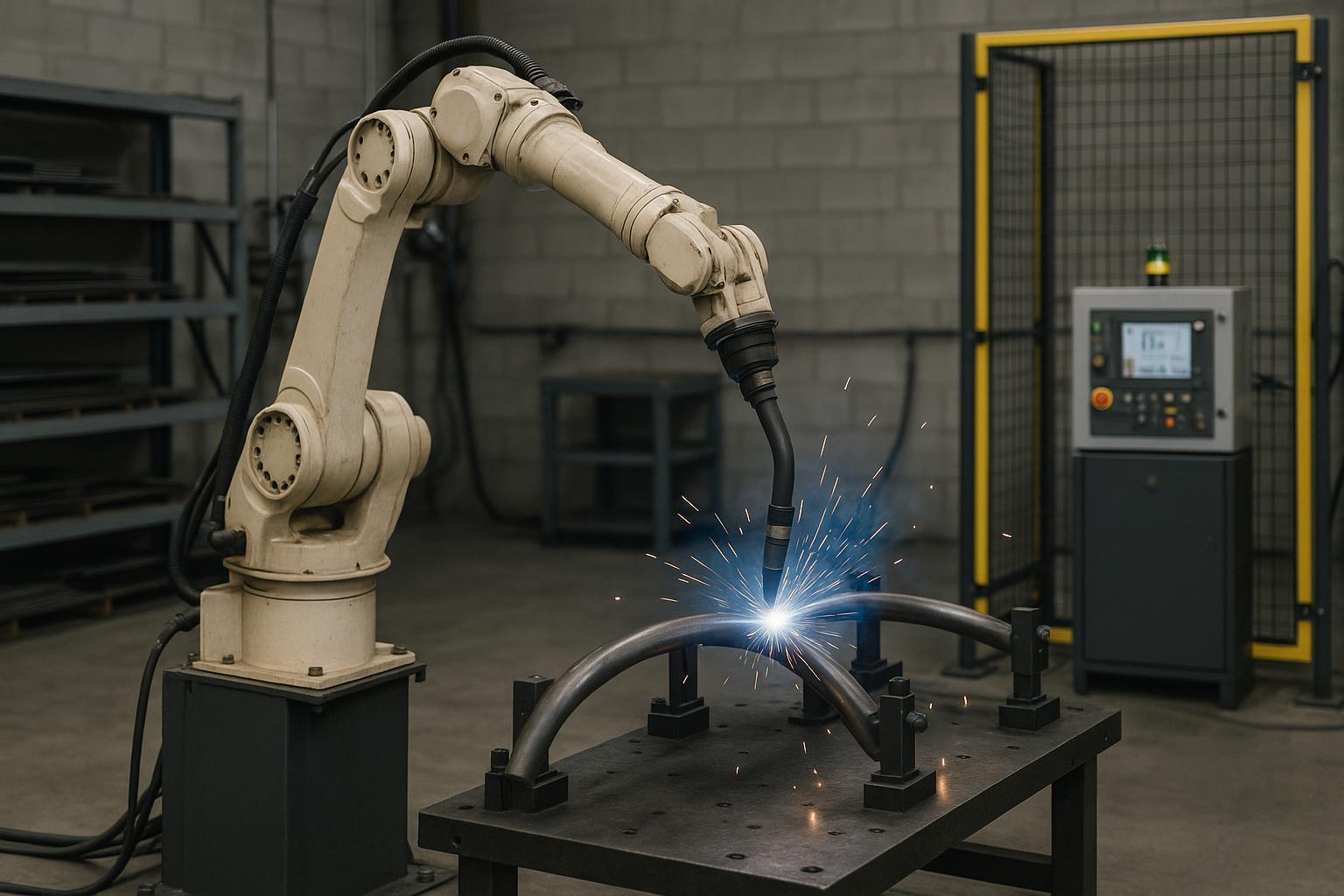
In small shops, a compact robotic welder can dramatically raise throughput while keeping capital expenditure in check. ROI comes from increased uptime, reduced rework, and the ability to run more shifts without adding headcount. For a structured path, see our startup launch plan.
Key decision points include footprint, payload, reach, power requirements, and control compatibility with your existing welding processes. Look for a unit that fits your shop floor, can handle the materials you weld, and integrates with your power supply without costly upgrades.
Choosing a compact robot welder
- Footprint and reach that fit your shop layout
- Payload and fixture compatibility for your typical joint
- Power, safety, and ease of programming
- Reliability and serviceability from a local provider
- Software that supports your process library and job data capture
Integration with existing processes
Putting a robot in a small shop means aligning it with your current workflows. Start by mapping your typical welds, cycle times, and setup times. Use a staged integration: run pilot cells, collect data, and expand as you confirm benefits. For shops looking to minimize waste and maximize throughput, see lean automation upgrades for concrete steps.
Training technicians to sustain higher throughput
Invest in operator training that emphasizes setup speed, torch conditioning, fixture changes, and error reduction. A simple training plan might include:
- Standardized setup blocks with checklists
- Fixture design that minimizes changeover time
- Regular calibration and torch conditioning routines
- Basic fault diagnosis and shutdown procedures
Running a repeatable workflow
Documented processes create consistent results. Create a workflow library with process steps, acceptance criteria, and data collection points. For teams exploring portable solutions, consider how your plant could benefit from new gear described in our portable equipment guide: portable welding equipment.