Turning Sensor Data into Certification-Ready Performance
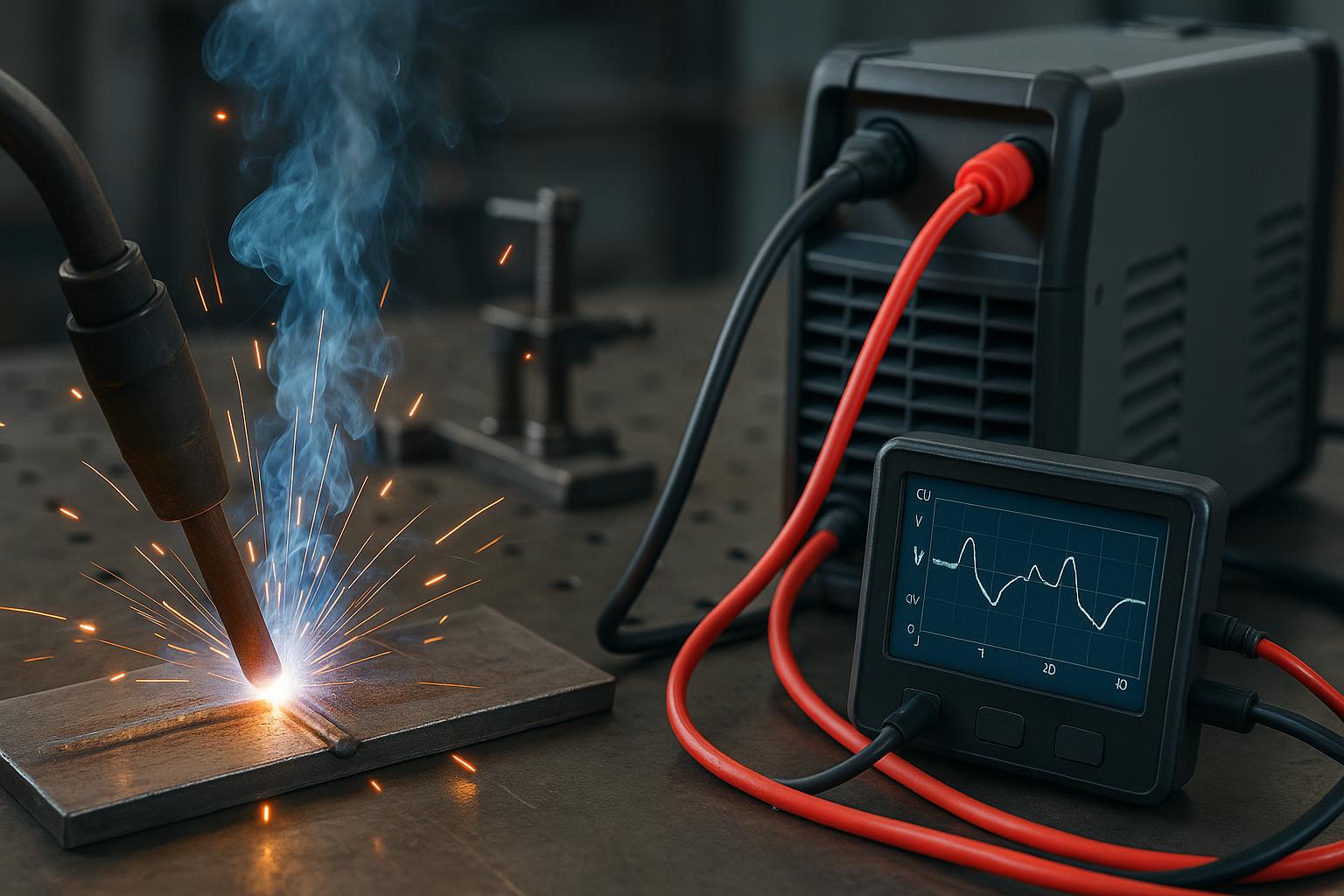
Real-time arc data helps welders build repeatable lab results. By tracking signals such as arc current, voltage, and waveform shape, you can identify the conditions that consistently produce sound welds. For deeper patterns in live data, see the arc analytics post.
In practice, you don’t need a full data science team to start. Start with a simple data-collection setup: sensors on the power supply, a quick logging routine, and a weekly review. This data can be used to improve AWS/ASME test outcomes. The certification lab playbook provides a structured approach for turning observations into repeatable test performance.
Key signals to monitor
- Arc current and voltage trends
- Arc length indicators
- Waveform shape and fluctuations
- Transfer stability indicators
Track these signals using a lightweight data logger and compare them against lab outcomes. If you want a practical path that aligns with field experience, explore the sensor fusion approach to weld quality.
Practical steps to start
- Install accessible sensors on the power source to capture current, voltage, and arc length data
- Define a simple metric set (mean current, peak voltage, stability index) and log weekly
- Review correlations between arc signals and AWS/ASME test results to guide process tweaks
Concrete example: in a shielded metal arc or TIG test sequence, a stable arc at a target current with minimal voltage ripple often leads to repeatable bead geometry across several samples. This kind of data-backed insight helps you lock in the conditions before you run full certification tests.