How Sensor Fusion Elevates Certification-Ready Weld Quality
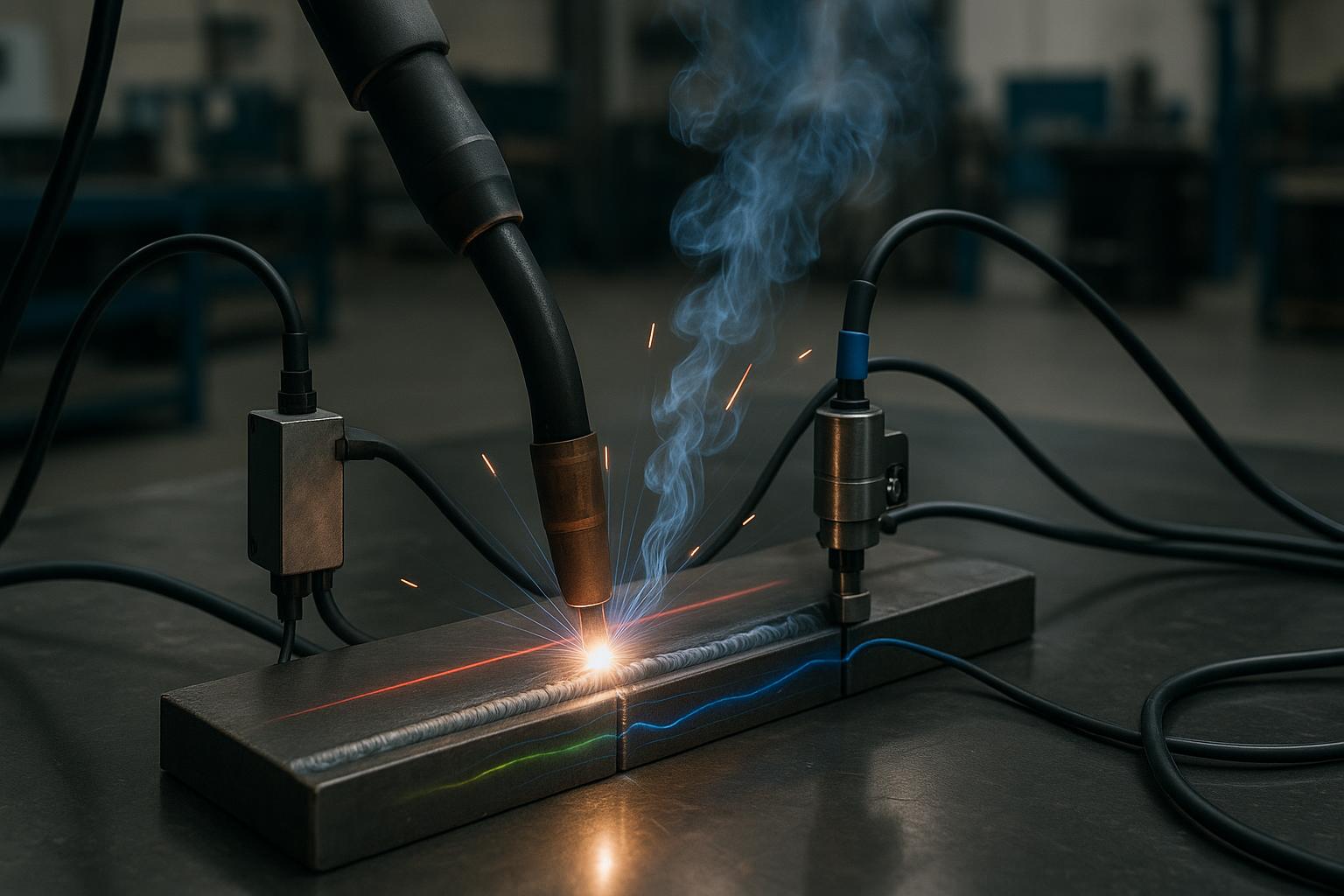
Real-time arc tracking combines data from multiple sensors to monitor arc length, current, and seam position as you weld. This convergence of signals lets you detect instability early and adjust on the fly, a critical capability when chasing passes in certification trials and field work.
In practice, sensor fusion blends inputs from arc-length sensors, amperage sensors, and seam-tracking systems to produce a single, interpretable view of the weld bead. Instead of chasing disparate numbers, you watch a fused metric that reflects the actual stability of the process.
For newcomers, think of the fusion as a dashboard: each stream hints at a different constraint—arc length drift indicates arc stability, current drift reflects heat input consistency, and seam position shows path accuracy. When these signals stay within tight bounds, pass rates improve in certification trials.
As shown in the arc monitoring metrics study, stable arc length correlates with higher pass rates. Sensor fusion helps separate true changes from noise and guides instant adjustments during welds. For teams preparing for certification, adopt a structured approach from the certification playbook to track progress and optimize trials.
Putting sensor fusion to work in real tests
Start with a baseline run to collect data streams: arc length, current, and seam position. Then set tolerance bands (for example, arc length within 0.5–1.0 mm and current within +/- 5 A for a given joint). Use the fused feed to decide bead height and travel speed rather than chasing a single metric.
Practical steps:
- Define a baseline for your joint and material system.
- Record data during a few passes to establish drift thresholds.
- Configure the control system to respond to fused signals (automatic feed-forward or manual adjustments).
- Review data after each trial to identify patterns that predict passes versus fails.
In field work and shop trials, this approach reduces noise in pass/fail outcomes and helps technicians fine-tune heat input and travel parameters without overcorrecting.
Understanding the data pays off when you write your WPS and PQRs, because you can cite measured stability metrics and the corresponding process controls.