Look, I’ve been dragging welders to job sites for over a decade, and I’ll tell you straight up – nothing torches your reputation faster than showing up with dead equipment and your thumb up your ass. Your backup welder isn’t just nice to have, it’s your insurance policy against looking like an amateur who doesn’t know jack about running a business.
Every mobile welder worth their salt has been there. You’re on a critical job, deadline breathing down your neck, and your primary machine decides to take a shit right when you need it most. Without a backup welder, you’re calling the customer with your tail between your legs, explaining why their project just got delayed.
That’s not just embarrassing – it’s expensive. Word travels fast in this industry, and contractors don’t hire welders who can’t deliver when it counts.
Why Every Mobile Welder Needs a Backup Welder
Equipment failures aren’t a matter of if, they’re a matter of when. I don’t care if you’ve got the newest, shiniest machine money can buy – metal fatigue, electrical gremlins, and plain old wear will eventually catch up with any piece of equipment.
The smart money is on being prepared. When your main rig goes down mid-job, having a backup welder ready means the difference between finishing on time and explaining to an angry contractor why their crew is standing around with nothing to do.
Here’s the reality: downtime costs you more than the price of a second machine. Lost contracts, damaged reputation, and pissed-off customers add up fast. Meanwhile, that backup machine can also double as a second workstation when you’re training apprentices or handling larger jobs that need multiple processes running simultaneously.
Plus, there’s peace of mind. Nothing beats rolling up to a job knowing you’re covered no matter what happens. That confidence shows in your work and your pricing – because you’re not the guy who might leave them hanging.
Choosing Your Backup Welder Strategy
Now, before you go blowing your budget on another top-tier machine, let’s talk strategy. Your backup doesn’t need to be a carbon copy of your primary welder – it needs to be practical and reliable.
First option: match your primary process. If you’re running stick all day, a solid backup stick machine makes sense. Same controls, same consumables, same muscle memory. When you’re under pressure and switching machines, familiarity matters.
Second option: complement your capabilities. Maybe your primary is a field-ready multi-process welder handling the heavy lifting, and your backup is a compact MIG unit for lighter work. This gives you flexibility and keeps costs reasonable.
Third option: go portable. Hybrid battery-powered welders make excellent backups because they’re lightweight, don’t need generators, and can handle most emergency situations. They’re not replacing your main machine for heavy structural work, but they’ll get you out of a jam.
Consider your typical jobs when making this call. If you’re doing dissimilar-metal welding or complex adaptive multimaterial welding, your backup needs to handle those processes too. No point having a backup that can’t actually back you up when it matters.
Budget-Smart Backup Solutions
Let’s get real about money. Not everyone has the cash flow to buy two premium machines right out of the gate. That doesn’t mean you skip the backup – it means you get creative.
Used equipment is your friend here. A well-maintained older machine that’s been properly serviced can serve as excellent backup. Look for commercial-grade units with parts availability and service support. Avoid the temptation to go cheap on some no-name brand that’ll leave you stranded when you need parts.
Consider rental relationships for backup coverage. Some equipment rental companies will cut deals for regular customers who need occasional backup access. It’s not ideal for every situation, but it beats showing up empty-handed.
Another approach: partner with another mobile welder in your area. Cross-backup agreements where you cover each other’s emergencies can work, but choose your partner carefully. You’re trusting them with your reputation when they’re covering your jobs.
Factor backup costs into your pricing for certification services and regular jobs. Customers who want reliability should pay for it. Build equipment redundancy into your business model from day one.
Maintenance: Keeping Your Insurance Policy Ready
A backup welder that doesn’t fire up when you need it is worse than useless – it’s a false sense of security that’ll bite you in the ass when it counts.
Regular maintenance schedules apply to backup equipment too. Just because it’s not your daily driver doesn’t mean you can ignore it. Run it monthly, check consumables, verify gas connections, and test all functions.
Keep backup-specific spare parts on hand. If your main machine uses different contact tips, drive rolls, or liners than your backup, stock both. Nothing’s more frustrating than having a working backup welder but no way to feed wire through it.
Documentation matters for backup gear too. Know the settings, procedures, and quirks of your backup machine before you need it under pressure. That’s not the time to be reading manuals or figuring out unfamiliar controls.
Storage considerations are critical. Keep your backup machine protected but accessible. Climate-controlled storage prevents corrosion and electrical problems, but it’s useless if you can’t get to it quickly when needed.
Strategic Deployment of Your Backup Welder
Smart welders don’t just own backup equipment – they deploy it strategically. Your second machine can earn its keep instead of just collecting dust in storage.
Use it for training and apprentice work. Let the new guy learn on the backup while you handle critical welds with your primary machine. This keeps both machines operational and gives apprentices hands-on experience without risking your main equipment.
Deploy it on multi-process jobs where you need different welding methods simultaneously. While you’re running stick on structural work, an apprentice can be handling MIG work on lighter components with the backup unit.
Consider it for your strategic niches that require different capabilities. Maybe your main machine handles heavy fabrication while your backup specializes in repair work or aluminum welding.
Loan it out carefully to trusted contacts. This builds relationships and can generate rental income, but establish clear terms and maintenance responsibilities. Your reputation is still on the line even when someone else is running your equipment.
Integration with Modern Shop Systems
Today’s backup welders need to integrate with your overall business systems, not just sit in the corner waiting for emergencies.
If you’re using smart arc monitoring or edge-compute quality systems, consider how your backup fits into that workflow. Can it interface with your monitoring systems? Does it support the same data collection methods?
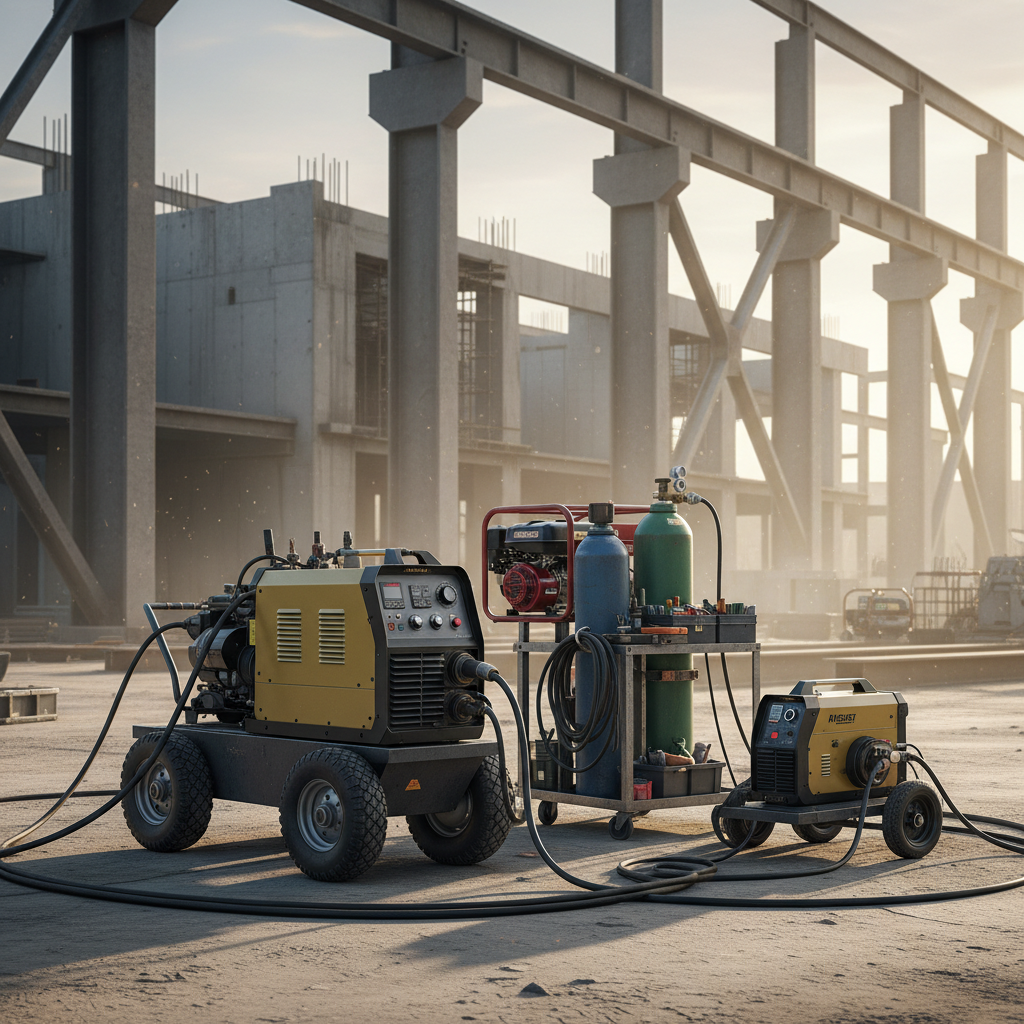
Power management becomes more complex with multiple machines. Plan your electrical requirements assuming both machines might need to run simultaneously. That affects generator sizing, electrical service requirements, and smart shielding gas management systems.
Transportation logistics matter too. Can you haul both machines when needed? Do you have trailer space and tie-down points for dual-machine setups? These practical considerations determine how useful your backup really is.
When Backup Becomes Primary
Sometimes your backup welder graduates to primary status. Maybe your main machine needs major service, or you’ve expanded operations enough to need two full-time units.
Plan for this transition from the start. Choose backup equipment that could handle primary duties if needed. This gives you flexibility as your business grows and ensures you’re not stuck with inadequate equipment when demands increase.
Consider the learning curve when promoting backup equipment. If operators are unfamiliar with the backup unit’s controls and characteristics, plan for training time before making the switch permanent.
Documentation becomes critical during transitions. Maintain setup sheets, parameter records, and maintenance logs for both machines so knowledge doesn’t get lost when roles change.
Common Backup Welder Mistakes
Let me save you some pain by highlighting the stupid mistakes I see welders make with backup equipment.
First mistake: buying too small. Your backup needs enough capacity to handle your typical jobs, not just lightweight emergencies. A 110V hobby welder won’t save your ass on structural work.
Second mistake: neglecting maintenance. That backup welder sitting in storage isn’t maintaining itself. Corrosion, deteriorated seals, and dead batteries don’t care that it’s not your daily driver.
Third mistake: incompatible consumables. If your primary uses .035 wire and your backup needs .030, you’re carrying double inventory and increasing complexity. Plan for commonality where possible.
Fourth mistake: no transport plan. A backup welder in your shop doesn’t help when you’re two hours away on a job site. Figure out how to get it to where you need it quickly.
Fifth mistake: operator unfamiliarity. Different machines have different quirks, controls, and capabilities. Make sure anyone who might need to use the backup actually knows how to operate it effectively.
Building Backup Into Business Growth
As you scale from a one-person operation to something bigger, your backup strategy evolves too. What starts as emergency equipment becomes part of your operational capacity.
Track utilization rates on both machines. When your backup is running regularly instead of sitting idle, it’s time to consider adding a third unit or upgrading capacity. This data helps justify equipment investments and plan for growth.
Consider how backup equipment fits into your transition from garage to shop. Fixed installations, better storage, and improved maintenance facilities all affect how you deploy and maintain backup welders.
Employee training becomes more important as you grow. Multiple operators need familiarity with multiple machines. Build this into your training programs and certification readiness calendar.
The Bottom Line on Backup Welders
Here’s the deal: a backup welder isn’t an expense, it’s an investment in reliability. Every successful mobile welding operation needs redundancy because equipment failures are inevitable and reputation damage is expensive.
Start with what you can afford, but start somewhere. Even a basic backup beats showing up to a job with dead equipment and empty promises. As your business grows, upgrade and expand your backup capabilities to match your operational needs.
The welders who survive and thrive in this business are the ones who plan for problems before they happen. Your backup welder is just one part of that planning, but it’s a critical part that separates professionals from amateurs.
Don’t be the guy explaining to a contractor why their job is delayed because you couldn’t be bothered to have backup equipment. Be the welder they call because they know you’ll deliver no matter what breaks down.