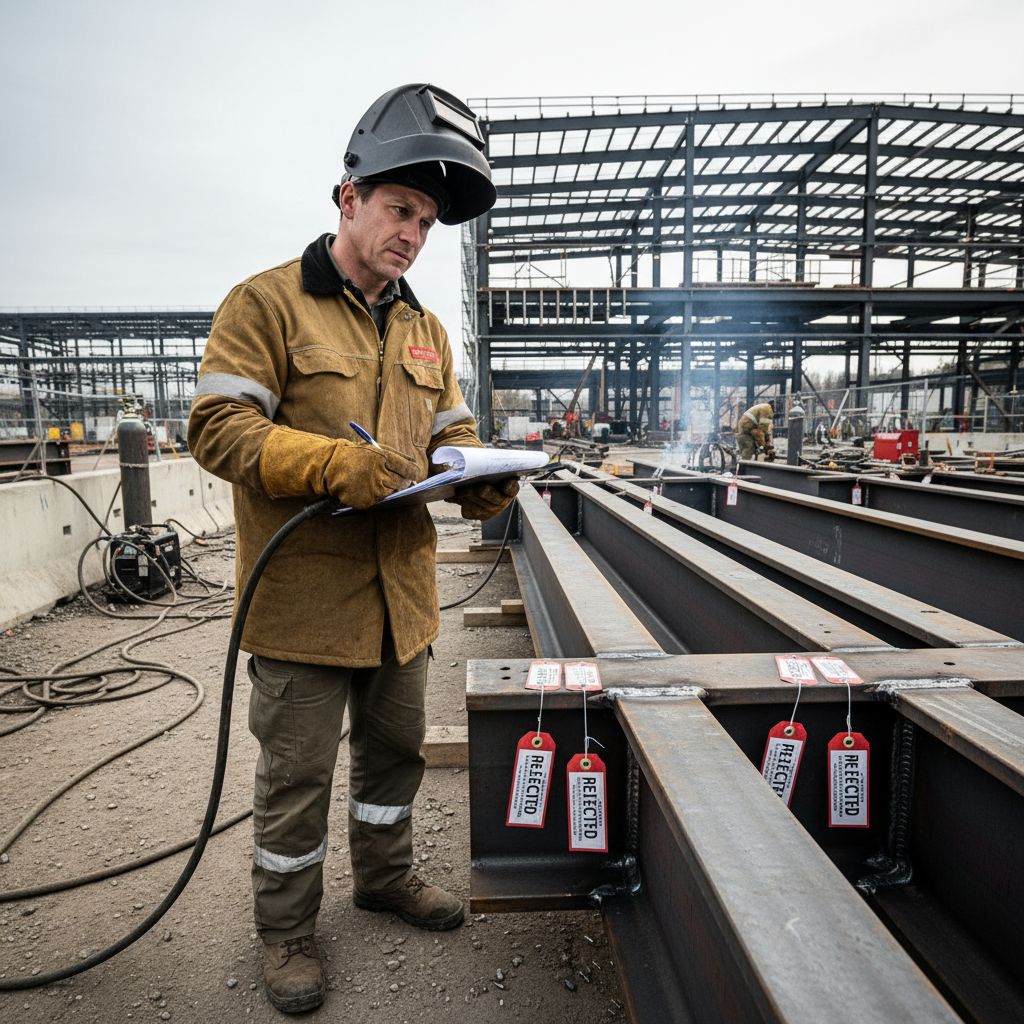
Every welder knows the gut punch of seeing that red tag on their work. Welding inspection failures don’t have to be profit killers if you know how to handle them right. After ten years of mobile welding, I’ve learned that smart operators turn rejections into revenue streams while the panic-prone eat rework costs and cry about unfair inspectors.
Here’s the reality nobody talks about: inspection failures are part of the business. The difference between welders who thrive and those who barely survive isn’t the number of rejections they get-it’s how they handle them when they do.
Documentation: Your First Line of Defense Against Inspection Failures
The moment that inspector shows up, you better have your documentation game locked down tight. I’m talking photos, material certs, procedure specs, environmental conditions, the whole nine yards. Because when things go sideways, your paperwork is what separates legitimate rework from getting taken for a ride.
Start with pre-weld documentation. Temperature, humidity, wind conditions if you’re outside. Material condition, cleanliness, prep quality. Take photos with timestamps. This isn’t busy work-it’s your insurance policy when some inspector decides your perfectly good weld doesn’t meet his interpretation of the code.
During welding, document everything that deviates from normal. Power fluctuations, equipment issues, material problems, anything that might affect weld quality. Most importantly, document when you stop and restart, and why. Inspectors love to blame restart issues on technique when it was actually a power problem or contaminated material.
Post-weld documentation seals the deal. Visual inspection photos from multiple angles, NDT results if applicable, and any remedial work performed. Make sure your exam readiness mapping for AWS/ASME covers proper documentation procedures because this stuff matters when you’re trying to prove your case.
Billable Re-inspections: Stop Working for Free
Here’s where most welders get played: they assume all re-inspections are their fault and their cost. Wrong. If the initial rejection was due to inspector error, overly strict interpretation, or conditions outside your control, that re-inspection is billable.
Know the difference between legitimate failures and inspector overreach. A legitimate failure is your weld not meeting code requirements due to your workmanship. Inspector overreach is when they red-tag work that actually meets spec but doesn’t meet their personal preferences or unofficial standards.
Document the original rejection reason in detail. Get it in writing. If the inspector can’t cite the specific code section being violated, that’s a red flag. When you fix what they claim is wrong and it gets rejected again for a different reason, that’s another red flag. At that point, you’re dealing with a moving target, and the client pays for the extra inspections.
Build re-inspection costs into your contracts from day one. Standard language should cover scenarios where multiple inspections are required due to changing requirements or inspector inconsistency. Your pricing for certification services should reflect the reality that not all rejections are your fault.
The Three-Strike Rule for Inspector Relations
First rejection: assume it’s legitimate, fix it, move on. Second rejection for the same issue after you’ve addressed their concerns: start questioning their interpretation. Third rejection: it’s time to involve the client and potentially request a different inspector.
Professional inspectors appreciate welders who know their stuff and can discuss code requirements intelligently. Problem inspectors hate being questioned and will double down on questionable calls. Learn to tell the difference quickly.
Using Rejection Data to Bulletproof Future Bids
Every welding inspection failure is a data point. Smart operators track this data and use it to improve their bidding accuracy and reduce future rejections. Dumb operators just complain about picky inspectors and keep making the same mistakes.
Track rejection reasons by inspector, client, and project type. You’ll start seeing patterns. Maybe Inspector Johnson always nitpicks undercut on vertical welds. Maybe ABC Construction’s project managers don’t understand the difference between cosmetic and structural requirements. Use this intel when pricing future work.
Build rejection contingencies into your bids based on historical data. If you know a particular inspector has a 15% rejection rate on similar work, factor that into your pricing. If a client typically requires two inspection cycles to accept work, price accordingly. This isn’t padding-it’s accurate cost estimation.
Your smart heat maps for startups should include rejection rate data by geographic area and client type. Some regions have notoriously strict inspection cultures. Price accordingly or avoid them altogether.
Learning from Legitimate Failures
When you do screw up-and you will-extract every bit of learning value from that failure. Was it technique? Equipment? Environmental conditions? Material issues? Rushing to meet deadlines?
Keep a failure log with root cause analysis. Not just “porosity in pass 3” but why there was porosity. Contaminated base metal? Inadequate shielding? Travel speed too fast? Technique breakdown under pressure?
This data becomes invaluable when similar conditions arise on future jobs. You’ll know to allow extra prep time for certain materials, bring backup shielding equipment for windy sites, or schedule critical welds when you’re fresh rather than at the end of a long day.
Equipment and Technique Adjustments for Consistent Results
Consistent weld quality starts with consistent equipment performance. Your field-ready multi-process welders need regular calibration and maintenance schedules that you actually follow, not just when things break.
Document equipment performance alongside weld quality. Machine amperage accuracy, wire feed consistency, gas flow rates-all of this affects your results. When rejections spike, check your equipment first before assuming it’s technique.
For complex jobs involving adaptive multimaterial welding, document your parameter changes and results religiously. These jobs have higher rejection potential, but they also command premium pricing when you nail the procedures consistently.
Environmental Control Strategies
Weather doesn’t care about your schedule, but it sure affects your weld quality. Develop standard procedures for different environmental conditions and stick to them. Wind screens, preheating protocols, humidity limits-make them non-negotiable.
When environmental conditions push the limits of your procedures, document everything and communicate with the inspector before starting. Better to discuss potential issues upfront than explain failures after the fact.
Client Education: Managing Expectations and Reducing Rejections
Half your rejection problems come from clients who don’t understand the inspection process or have unrealistic expectations about weld appearance versus structural requirements. Educate them upfront and you’ll save yourself headaches later.
Explain the difference between cosmetic preferences and code requirements during the initial meeting. Show them examples of acceptable welds that might not look perfect but meet all structural requirements. Set expectations about normal rejection rates for complex work.
Use your certification readiness calendar to schedule client walkthroughs at appropriate points in the project. Let them see good work in progress rather than surprising them with finished results that don’t match their mental picture.
Inspector Relations and Professional Communication
Professional inspectors are allies, not adversaries. They’re trying to ensure quality work just like you are. Treat them professionally, know your codes, and be prepared to discuss technical details intelligently.
When you disagree with an inspector’s call, frame it as a technical discussion, not a personal challenge. Reference specific code sections, show your documentation, and propose solutions. Most reasonable inspectors will work with you when you demonstrate competence and professionalism.
Problem inspectors are a different story. Document everything, communicate through the client, and don’t take it personally. Their issues aren’t your fault, but handling them poorly will become your problem.
Building Rejection Costs Into Your Business Model
Welding inspection failures are a cost of doing business, not personal failures. Build them into your pricing model and you’ll sleep better at night. Pretend they don’t happen and you’ll work for free on a regular basis.
Track your rejection rates by job type and include a realistic contingency in every bid. For routine structural work, maybe 5% is adequate. For complex dissimilar-metal welding mastery projects, you might need 15% or more.
Separate legitimate rework costs from inspection fees and client-driven changes. Your base pricing should cover normal rework from technique issues. Additional inspection fees from moving targets or inspector problems should be billable extras.
Contract Language That Protects You
Your contracts need specific language covering inspection procedures, rejection handling, and additional costs. Don’t leave this stuff to handshake agreements or you’ll get burned.
Include clauses covering multiple inspection cycles, inspector changes, and evolving requirements. Define what constitutes legitimate rework versus additional scope. Make re-inspection fees clear upfront.
When clients push back on these terms, explain that they’re protecting both parties by clearly defining responsibilities and costs. Professional clients understand this. Problem clients reveal themselves by fighting reasonable protection clauses.
Advanced Strategies for Problem Jobs and Difficult Clients
Some jobs are rejection magnets from day one. Recognize the warning signs and adjust your approach accordingly. Multiple design changes, unclear specifications, budget pressure, unrealistic schedules-these all increase rejection risk.
For high-risk jobs, consider requesting pre-approved procedures or mock-up requirements. Yes, this adds cost and time upfront, but it prevents expensive surprises during final inspection. Your designing mock lab fixtures for faster certification passes approach works for job sites too.
Document everything obsessively on problem jobs. Every conversation, every change, every deviation from original plans. This paper trail becomes crucial when billing for additional work or defending your procedures.
When to Walk Away
Sometimes the smartest business decision is saying no to work that’s set up for failure. Clients with unrealistic expectations, inspectors with known bias problems, jobs with impossible schedules-these aren’t opportunities, they’re traps.
Your reputation is worth more than any single job. A string of rejections on a problem project can damage your standing with other clients and inspectors. Know when to cut your losses and focus on better opportunities.
Use your network to share information about problem clients and difficult inspectors. The welding community is smaller than you think, and other contractors will appreciate the heads up. Return the favor when you can.
Turning Expertise Into Competitive Advantage
Welders who master the inspection game don’t just avoid rejections-they use their expertise as a selling point. Clients pay premiums for contractors who consistently pass inspections on the first try.
Market your low rejection rate and inspection expertise prominently. Include historical data in your proposals. Show potential clients how your approach saves them time and money compared to contractors who treat inspections as afterthoughts.
Develop relationships with reputable inspectors who know your work. Their positive references carry weight with new clients. Professional recommendations from respected inspectors can be worth more than any marketing material.
In conclusion, welding inspection failures don’t have to kill your profits if you handle them professionally and systematically. Document everything, know your codes, bill appropriately for legitimate re-inspections, and use rejection data to improve your bidding accuracy. The welders who master this stuff don’t just survive-they thrive while their competition struggles with the same old problems.