Why Every Welder Owner Eventually Gets Sick of Hiring
You post the job. You get twelve applications. Eight of them can’t pass a basic bend test. Three have attitudes that would make a foreman quit on the spot. One looks promising until he ghosts you the day before he’s supposed to start.
Sound familiar? Yeah. It’s the same story from every shop owner and mobile welder I’ve talked to over the past decade. The hiring market for skilled welders is a dumpster fire, and everybody’s fighting over the same small pile of guys who’ve already picked up someone else’s bad habits, a questionable work ethic, or both.
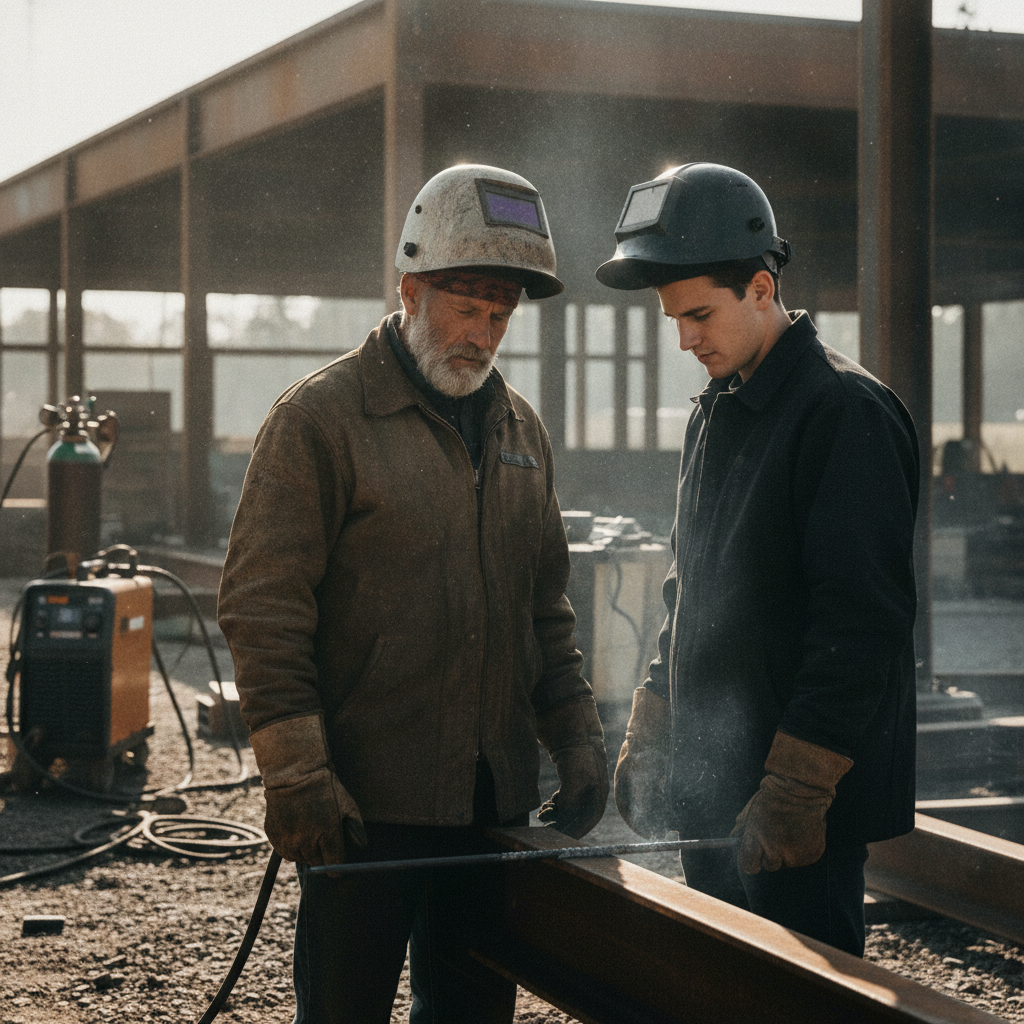
So here’s a different angle: stop competing for talent that already exists and start building your own. A proper welder apprentice program gives you something no job board ever will — workers who learn your way, your standards, and your methods from day one. That’s worth more than any certified journeyman you pull off Indeed at 11 PM out of desperation.
Let’s talk about how to actually set one up without making it a bureaucratic nightmare.
The Real Problem With Hiring Experienced Welders
Experienced welders come with experience. That sounds obvious, but think about what that experience actually includes — years of learning what they can get away with, shortcuts they picked up from the last three shops they burned through, and a strong opinion about why their way is the only right way.
Retraining an experienced welder is harder than training a raw one. When someone already knows how to weld, getting them to change technique is a full-time argument. You end up managing personalities instead of building a business.
On top of that, experienced welders cost more. They know their value, and they’ll move on the moment someone offers them an extra two bucks an hour. There’s no loyalty built in. You’re just renting their skills until a better offer shows up.
A welder apprentice program flips that dynamic completely. You’re not renting anything. You’re building something.
What a Simple Apprentice Program Actually Looks Like
Before you panic about DOL registrations and union rules and compliance paperwork — take a breath. You don’t have to run a federally registered apprenticeship to get the benefits of training your own people. Plenty of small welding businesses run informal, structured on-the-job training programs that accomplish the same goal without the red tape.
The key word is structured. Throwing a kid at a grinder and calling it apprenticeship doesn’t count. That’s just cheap labor with extra steps. A real program has a plan.
Start With a Skills Ladder
Map out the skills you need your welders to have, in order of how they’ll learn them. Start with safety, material handling, and machine setup. Work up through basic tack welds, fillet welds, groove welds, and then process-specific work. If your shop runs MIG, TIG, and stick, build separate tracks for each or a combined progression.
Write it down. Even a simple one-page checklist per skill level works. This gives your apprentice a roadmap and gives you a way to measure progress instead of just vibing on whether they seem to be getting better.
If you’re already thinking about how certifications fit into this progression, it’s worth reading through the Certification Readiness Calendar post — it breaks down how to plan certification milestones over time, which maps perfectly onto a structured apprenticeship ladder.
Set Clear Milestones With Real Consequences
Milestones aren’t just “good job, you’ve been here three months.” They’re measurable checkpoints. Your apprentice should be able to run a clean fillet weld by week six, or they don’t move to the next level. That’s not harsh — that’s having standards.
The consequences cut both ways. If they hit the milestones, they get a pay bump or expanded responsibility. If they consistently miss them after being coached, that’s your exit ramp without drama. You’ve got documentation. You’ve got a clear standard. No gray area.
Pick the Right Candidate, Not Just a Warm Body
The mistake a lot of small business owners make is grabbing whoever shows up and needs a job. That rarely works out. You want someone who’s mechanically curious, comfortable working with their hands, and doesn’t have an ego about not knowing things yet.
Trade school graduates and vo-tech students are gold for this. They’ve already decided they want to be in the trade. They’ve got some foundation. They just haven’t had real-world experience yet. That’s exactly what you can offer them.
Community partnerships help too. Talk to your local welding program instructors. Most of them are desperate to place students with real shops because it helps their program’s metrics. You scratch their back, they send you motivated candidates. That’s a pipeline right there.
The Loyalty Factor Nobody Talks About Enough
Here’s the thing about someone you trained from scratch: they know you gave them a shot. That matters more than people realize in a trade where a lot of guys feel like they were just bodies to be used up.
If you treat your apprentice fairly, pay them progressively as they earn it, and actually invest time in teaching them — you’ll build a loyalty that a journeyman hire almost never gives you. They’ve got history with you. They learned in your shop. They associate their success with your business.
That’s not nothing. That’s retention. And in this hiring market, retention is everything.
It also means they’re learning your methods. If your business is built around specific niches — and if it isn’t, it probably should be, which is something I covered in the Strategic Niches post — your apprentice will learn those niches from day one instead of having to unlearn years of generalist habits.
What It Costs You (And Why It’s Worth It)
Let’s be honest about the cost. Training takes time. Time is money. An apprentice is less productive than a journeyman, sometimes significantly, especially in the first few months. You’re going to eat some margin while they learn.
But compare that to the alternative. Bad hire at journeyman wages who quits in four months. Another job posting. Another round of tests. Another round of interviews. Another two weeks of wasted onboarding time. The math on that is brutal.
Training one solid apprentice over twelve to eighteen months is cheaper than the revolving door of bad experienced hires most small shops are stuck in. Plus, at the end of it, you’ve got someone who can actually contribute to growth instead of just treading water.
On the equipment side, think about what your apprentice will be learning on. You don’t need to hand them your best machine on day one, but you do need reliable gear. If you’re kitting out a training setup, the Field-Ready Multi-Process Welders breakdown is worth a look — it covers what to prioritize when you need versatile, durable machines for someone still developing their touch.
Setting Up the Day-to-Day Structure
An apprentice program doesn’t run itself. You need to actually build it into your workflow, not just wing it day by day.
Dedicated Learning Time vs. Production Time
This is where most informal programs fall apart. The apprentice ends up only doing production work because that’s what the shop needs right now, and the actual teaching never happens. Then you’re surprised when they’re not improving.
Block time. Even one hour a day of dedicated skills practice makes a massive difference over six months. Set up a practice station. Give them coupons to run and review the welds with them. That hour pays back in spades when they’re running production at journeyman speed down the road.
Document Everything
Keep a simple log. What did they practice? How did the welds look? What feedback did you give? This doesn’t have to be fancy — a notebook or a shared spreadsheet works fine. It keeps both of you honest and gives you a clear record if things go sideways and you need to make a staffing decision.
It also helps when they’re ready to pursue certifications. Having a documented record of their practice and progress means they walk into a certification test with confidence instead of hope. If you want to understand how to prep them for that moment, the Certification Day Tactics post has solid practical advice that applies whether it’s your hands or theirs on the torch.
Teach Process Thinking, Not Just Technique
The best welders aren’t just good at running beads. They understand why they’re running them the way they are. Teach your apprentice to think about heat input, material behavior, joint design, and fit-up quality. Don’t just show them what to do — explain why doing it that way matters.
If your work involves dissimilar metals or multi-process applications, introduce that complexity gradually. The Dissimilar-Metal Welding Mastery post is a good reference point for understanding the concepts you’ll eventually be teaching them as they advance.
Handling the “What If They Leave” Fear
Everyone asks this. You train them up, they get good, and then they bolt for more money somewhere else. Valid concern. But think about it realistically.
First, if you pay them fairly and treat them well, most won’t leave. The grass-is-greener syndrome hits people who feel undervalued or stuck. Build a culture where they see a future with you and most of them will stay.
Second, even if they do eventually leave — so what? They were productive for you for years. You got value. That’s the deal. Every employer takes that risk. The alternative is never training anyone, staying perpetually short-staffed, and burning yourself out doing every job.
You can also build in agreements. Some shops use training reimbursement clauses — if someone leaves within a year of completing training, they repay a portion of the training investment. Talk to a labor attorney before you write anything up, but it’s a reasonable tool.
Scaling Up: One Apprentice Becomes Two Becomes a Team
Here’s where it gets interesting for the business side of things. Once you’ve got one solid apprentice who’s developed enough to handle real work with supervision, you can bring in a second one. Now your first apprentice starts mentoring the second one under your oversight. They learn leadership. You multiply your training capacity without proportionally multiplying your time.
That’s how you build a real team instead of just a collection of individuals. It’s also how you stop being the only person keeping the whole operation together.
If you’re thinking about the financial side of scaling and whether your pricing structure can support carrying apprentices through their lower-productivity period, it’s worth revisiting how you’re pricing your services overall. The Pricing for Certification Services post gets into margins in a way that applies broadly to how you build sustainable revenue while investing in people.
The Bottom Line on Building a Welder Apprentice Program
The labor market for experienced welders is not getting better. Anyone telling you otherwise is selling something. The welders that are out there worth hiring are already employed and comfortable, or they’ve got issues you’ll figure out three weeks in. That’s just the reality.
A welder apprentice program is not a nice-to-have for a growing mobile welding business. It’s becoming a survival strategy. You build the people you need, you build them the right way, and you build loyalty in the process. That beats refreshing Indeed at midnight every single time.
Start small. One apprentice. One skills ladder. One hour a day of dedicated practice. Give it twelve months and tell me it wasn’t worth it.
You’ve spent years learning this trade the hard way. Passing that knowledge down to someone who’ll carry your business forward isn’t a burden. It’s the whole point.