So you’re ready to upgrade your rig, but your bank account looks like a dried-up weld pool. Welcome to the club. Banks see welders asking for equipment financing and immediately start calculating default rates like we’re all one job away from bankruptcy. Here’s the thing though – they’re not entirely wrong about the risk, but they’re dead wrong about treating us like we don’t know our business.
Look, I’ve been swinging a torch for over a decade, and I’ve watched plenty of good welders get buried under equipment payments that made more sense to the loan officer than to anyone who actually burns rod for a living. But I’ve also seen smart operators build solid businesses by knowing how to work the financing game instead of letting it work them.
Why Banks Think Equipment Financing for Welders Is Risky Business
Banks aren’t stupid – they’re just risk-averse to the point of paranoia. When you walk in asking for money to buy a welder, they see a few things that make them nervous. First, welding equipment depreciates faster than their spreadsheets can track. That shiny new multiprocess machine loses value the second you fire it up.
Second, they don’t understand our industry. To them, we’re just another construction trade that might fold when the economy hiccups. They can’t wrap their heads around the fact that good welders stay busy even when times get tough because everything breaks and needs fixing.
Third, most welders walk into loan meetings looking like they just came off a job site – because they did. Banks love suits and ties and business plans that look like they came from Harvard Business School. Show up in your work clothes with grease under your nails, and they’re already thinking about your rejection letter.
But here’s what they miss: welders who know their craft and understand their market are actually pretty solid investments. We just need to speak their language and show them we’re not throwing money at toys – we’re making calculated equipment investments.
Traditional Equipment Financing: The Good, Bad, and Ugly
Traditional bank loans for equipment come in two flavors: secured and unsecured. Secured loans use your equipment as collateral, which means better rates but also means they can repo your welder if you miss payments. Unsecured loans cost more but don’t put your gear at risk.
The good news about traditional equipment financing is that rates are usually reasonable for secured loans – typically 4-8% depending on your credit and the bank’s mood. Terms can stretch 3-7 years, which keeps monthly payments manageable.
The bad news? Banks move slower than cold molasses. Expect 30-60 days for approval, assuming you jump through all their hoops. They’ll want tax returns, profit and loss statements, business plans, and probably a blood sample. Miss one document, and the clock resets.
The ugly truth is that banks often require personal guarantees, which means your house is on the line if your business goes sideways. They also love adding covenants that restrict how you run your business. Some loans require you to maintain certain cash balances or limit how much you can pay yourself.
Credit Requirements That Actually Matter
Forget what you’ve heard about needing perfect credit. Most banks want to see a 680+ credit score for good rates, but they’ll work with you down to about 620 if everything else looks solid. What matters more is your payment history and debt-to-income ratio.
If your credit is dinged up from that time your ex-wife decided to redecorate her lawyer’s office with your credit cards, don’t panic. Focus on showing consistent income and a solid business plan. Banks care more about your ability to pay than your past mistakes.
Equipment Leasing: Rent-to-Maybe-Own
Leasing is like renting equipment with extra steps and usually higher total costs. But sometimes it makes sense, especially when you need gear fast or want to preserve working capital for other investments.
There are two types of equipment leases: capital leases (where you’ll probably own it at the end) and operating leases (where you definitely won’t unless you buy it separately). Capital leases work more like loans with weird tax implications. Operating leases are pure rentals.
The upside to leasing is speed and flexibility. Lease companies move faster than banks and often have lower credit requirements. Monthly payments are usually lower than loan payments, which helps with cash flow. Plus, lease payments are usually fully tax-deductible as business expenses.
The downside is cost. Over the life of a lease, you’ll pay significantly more than buying the same equipment outright. And at the end of the lease term, you either give back the equipment or pay a balloon payment to keep it. Either way, you’re not building equity.
Leasing makes sense when you need the latest technology, expect to upgrade frequently, or need to preserve cash for other opportunities. It’s also useful when you’re testing new field-ready multi-process welders before committing to ownership.
Alternative Equipment Financing That Actually Works
Banks and lease companies aren’t your only options. The financing landscape has more alternatives than weld rod choices, and some of them don’t suck.
Equipment Manufacturers’ Financing Programs
Most major equipment manufacturers offer their own financing deals, and they’re often better than bank loans. Miller, Lincoln, ESAB – they all have finance arms that understand their products and our industry.
Manufacturer financing usually offers competitive rates, faster approval, and sometimes promotional deals like zero percent for qualified buyers. They’re also more likely to work with welders who have decent credit but don’t meet traditional bank requirements.
The catch is that you’re limited to their equipment, and they might push you toward higher-end models than you actually need. But if you were already planning to buy their gear anyway, their financing can be a solid deal.
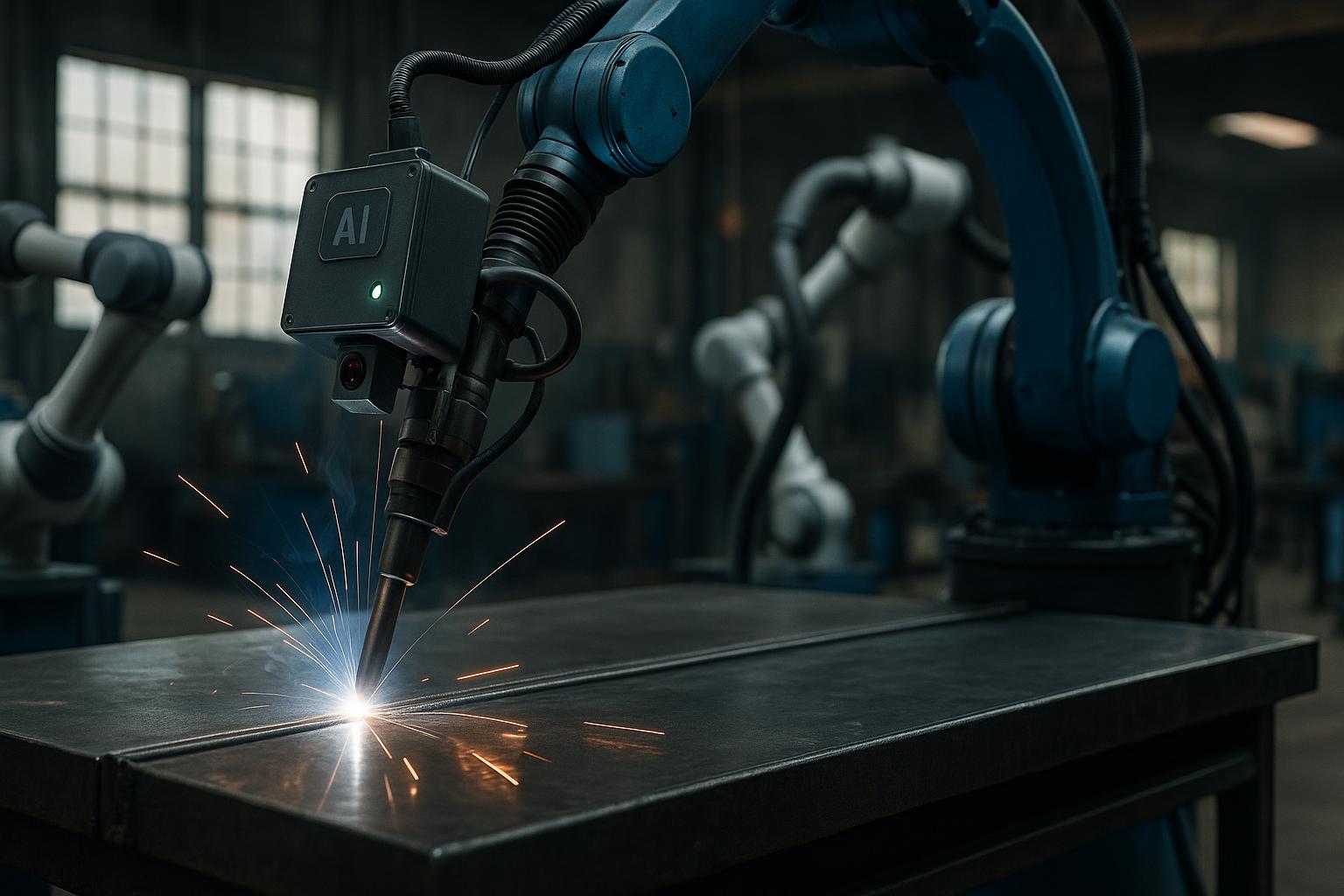
When I was expanding my setup to handle adaptive multimaterial welding jobs, Lincoln’s financing program got me approved in three days for a package deal that would have taken a bank six weeks to even look at.
SBA Loans for Equipment
Small Business Administration loans aren’t just for starting businesses. The SBA 504 program specifically helps small businesses buy equipment, and the rates are often better than conventional loans.
SBA loans require more paperwork than a nuclear permit application, but the terms are hard to beat. You typically put down 10-15%, the SBA covers 40%, and a bank finances the rest at below-market rates. Terms can stretch up to 20 years for equipment.
The downside is time and bureaucracy. SBA loans can take 60-90 days to close, and they have strict requirements about how you use the money and run your business. But if you’re patient and organized, they’re worth the hassle for major equipment purchases.
Online Lenders and Fintech Solutions
The internet has spawned a whole ecosystem of online lenders who promise fast approvals and easy applications. Some of them are legit, others are glorified loan sharks with websites.
Companies like OnDeck, Kabbage, and Fundbox can get you money fast – sometimes within 24 hours. They use algorithms instead of loan officers, which means less personal judgment but also less flexibility if your situation is unique.
Rates vary wildly, from reasonable to ridiculous. The faster you need the money, the more you’ll pay for it. These loans work best for short-term equipment needs or bridging gaps until traditional financing comes through.
Just read the fine print carefully. Some online lenders have daily payment schedules or aggressive collection practices that make traditional banks look friendly.
Smart Equipment Financing Strategies
Getting financing is only half the battle. The other half is structuring deals that help your business instead of strangling it. Here’s how to think about equipment financing like a business owner instead of a desperate buyer.
Match Financing Terms to Equipment Life
Don’t finance a five-year machine over seven years. You want your equipment paid off before it starts costing you serious maintenance money. As a rule, keep loan terms at 80% or less of the equipment’s useful life.
For heavy-use equipment that you’ll run hard, consider shorter terms even if it means higher monthly payments. Better to own it free and clear when it’s still worth something than to be making payments on a worn-out machine.
Conversely, for specialized equipment that you’ll only use occasionally, longer terms might make sense to keep monthly cash flow manageable. Just make sure the total cost still makes business sense.
Structure Payments Around Your Cash Flow
Monthly payments are standard, but they’re not your only option. If your business is seasonal or project-based, ask about graduated payments, seasonal adjustments, or skip-payment options.
Some lenders will structure deals where you pay more during busy months and less during slow periods. Others offer payment holidays during predictable down times. These options usually cost more, but they can prevent cash flow disasters.
For project-based work, consider equipment financing that aligns with your pricing for certification services or major contracts. Time your equipment purchases so the first payments coincide with project milestones.
Plan for Early Payoff
Most equipment loans allow early payoff without penalties, but some don’t. Always negotiate prepayment terms upfront, even if you don’t think you’ll need them.
Having the option to pay off equipment early gives you flexibility if you land a big job or have a good year. It also protects you if interest rates drop significantly after you sign your loan.
Some welders use equipment financing strategically – they take longer terms for lower monthly payments, then pay extra toward principal when cash flow allows. This keeps required payments manageable while building equity faster.
Red Flags and Terms to Avoid
Not all equipment financing deals are created equal. Some terms are designed to trap unwary borrowers in expensive cycles that benefit lenders more than businesses. Here’s what to watch out for.
Balloon Payments
Balloon payments are like time bombs in your financing agreement. You make smaller monthly payments during the loan term, then owe a huge lump sum at the end. Unless you’re certain you’ll have the cash or can refinance, avoid balloon payments.
The only time balloon payments make sense is when you have a specific exit strategy – like selling the business or expecting a big contract payout. Otherwise, you’re just kicking the can down the road.
Personal Guarantees on Business Loans
Personal guarantees make you personally liable for business debts. If your welding business fails, creditors can come after your house, car, and personal assets to satisfy the debt.
Sometimes personal guarantees are unavoidable, especially for new businesses. But try to limit them to specific loan amounts or time periods. Never sign unlimited personal guarantees – they’re financial suicide.
If you must give a personal guarantee, at least make sure it’s limited to the original loan amount and doesn’t include interest, penalties, or collection costs.
Variable Interest Rates Without Caps
Variable rates can save money when interest rates are falling, but they’re dangerous when rates are rising. If you take a variable rate loan, make sure it has a cap that limits how high your rate can go.
Some lenders offer teaser rates that start low but can adjust dramatically after the first year. Read the fine print to understand exactly how and when rates can change.
For equipment financing, fixed rates are usually safer unless you’re certain about interest rate trends or have a short loan term.
Mandatory Insurance and Maintenance Requirements
Lenders often require specific insurance coverage and maintenance schedules as loan conditions. These requirements can be expensive and restrictive.
Make sure you understand exactly what insurance coverage you need and what it will cost before signing. Some lenders require coverage levels that far exceed what makes business sense.
Maintenance requirements can be even trickier. Some loans require you to use authorized service centers or follow specific maintenance schedules. These requirements can dramatically increase your operating costs.
Building Your Equipment Financing Strategy
Smart equipment financing starts with understanding your business needs, not your equipment wants. Before you start shopping for money, figure out exactly what equipment you need and how it will pay for itself.
Start by analyzing your current bottlenecks. Are you turning down work because you don’t have the right equipment? Losing efficiency because your current gear is outdated? Planning to expand into new areas that require different capabilities?
For example, if you’re planning to get into more complex structural work, you might need financing for both equipment and training. Factor in certification costs and learning curve time when calculating returns.
Document everything. Lenders want to see that you’ve done your homework and understand the financial implications of your equipment purchase. Show them projected revenue increases, cost savings, or new market opportunities that the equipment will enable.
Consider the total cost of ownership, not just the purchase price. Maintenance, insurance, training, and financing costs all affect your bottom line. Make sure your projections account for the complete picture.
Think about timing carefully. Equipment purchases should align with your business cycles and cash flow patterns. Don’t buy equipment right before your slow season unless you have a specific reason.
Making the Numbers Work
Equipment financing only makes sense if the numbers add up. That means the equipment needs to generate enough additional revenue or cost savings to cover the financing costs and still improve your profitability.
Use conservative estimates when projecting returns. It’s better to be pleasantly surprised than unpleasantly broke. Factor in learning curves, market acceptance, and competition when estimating how quickly new equipment will pay for itself.
Consider the opportunity cost of financing versus paying cash. If you have enough cash to buy equipment outright, compare the financing costs to what you could earn by investing that cash elsewhere in your business.
Sometimes financing makes sense even when you have cash available. If you can get low-cost financing and use your cash for higher-return investments – like developing strategic niches or building working capital – the financing might be the smarter choice.
Don’t forget about tax implications. Loan payments are split between deductible interest and non-deductible principal. Lease payments are usually fully deductible. Equipment purchases might qualify for bonus depreciation or Section 179 deductions that reduce your current tax burden.
The Bottom Line on Equipment Financing
Look, equipment financing doesn’t have to be a deal with the devil. Banks and lenders aren’t trying to screw you – they’re trying to make money while managing risk. Understanding their perspective helps you structure deals that work for everyone.
The key is approaching equipment financing like any other business decision. Do your homework, understand your options, and negotiate terms that align with your business needs. Don’t let desperation or impatience push you into bad deals.
Remember that the cheapest financing isn’t always the best financing. Sometimes paying a little more for flexible terms or faster approval is worth it. Sometimes the opposite is true.
Most importantly, don’t let equipment financing become a crutch. The goal is to use other people’s money to grow your business faster than you could with cash alone. If financing becomes a necessity instead of a strategy, you need to step back and fix your business fundamentals first.
Good welders who understand their market and manage their finances well can use equipment financing to build solid, profitable businesses. The trick is staying smart about it and not letting the tail wag the dog. Your business should drive your equipment decisions, not the other way around.