Your Miller’s down again. Third time this month. While you’re scrambling to find a rental that doesn’t suck, your client’s breathing down your neck about deadlines. Sound familiar? Most welders track equipment maintenance logs about as well as they track their New Year’s resolutions – which is to say, not at all.
Here’s the brutal truth: downtime costs you $200+ per day minimum. Miss a job because your machine crapped out? That’s not just lost revenue, that’s lost reputation. In this business, your reputation is everything, and nothing kills it faster than being “that guy” who can’t keep his gear running.
But here’s what really pisses me off – this stuff is preventable. Dead simple, actually. You just need a system that doesn’t require a computer science degree to operate.
Why Your Current Maintenance Tracking Sucks
Let me guess your current system: sticky notes on the machine, maybe some scribbles in a notebook that got coffee spilled on it six months ago, or the classic “I’ll remember to do it” approach. Yeah, that’s working out real well for you.
The problem isn’t that you don’t know maintenance is important. Hell, you probably learned that in your first week on the job. The problem is most tracking systems are designed by people who’ve never had to fix their welder at 2 AM on a Saturday because they’ve got a Monday morning deadline.
Traditional maintenance logs are either too complicated or too basic. The complicated ones require you to track seventeen different data points that don’t matter. The basic ones don’t give you enough information to actually prevent problems.
The Real Cost of Equipment Downtime
Before we dive into the solution, let’s talk numbers. Because if you think skipping maintenance saves you money, you’re about as sharp as a bowling ball.
Direct costs hit you immediately. Lost labor time while you’re dealing with broken equipment. Rush fees for parts. Emergency service calls that cost double. Rental equipment that performs like garbage but costs premium rates.
Then you’ve got the indirect costs that really hurt. Delayed project completion. Unhappy customers who won’t call you back. The stress of explaining to your spouse why this month’s income just took a nosedive.
But the killer is opportunity cost. Every hour you spend dealing with broken equipment is an hour you’re not making money. And in this business, time literally is money.
Add it all up, and a simple maintenance issue can easily cost you thousands. Not hundreds – thousands. Suddenly that preventive maintenance doesn’t look so expensive, does it?
Simple Equipment Maintenance Logs That Actually Work
Here’s the system I’ve been using for over a decade. It’s simple enough that you’ll actually use it, but complete enough to catch problems before they bite you in the ass.
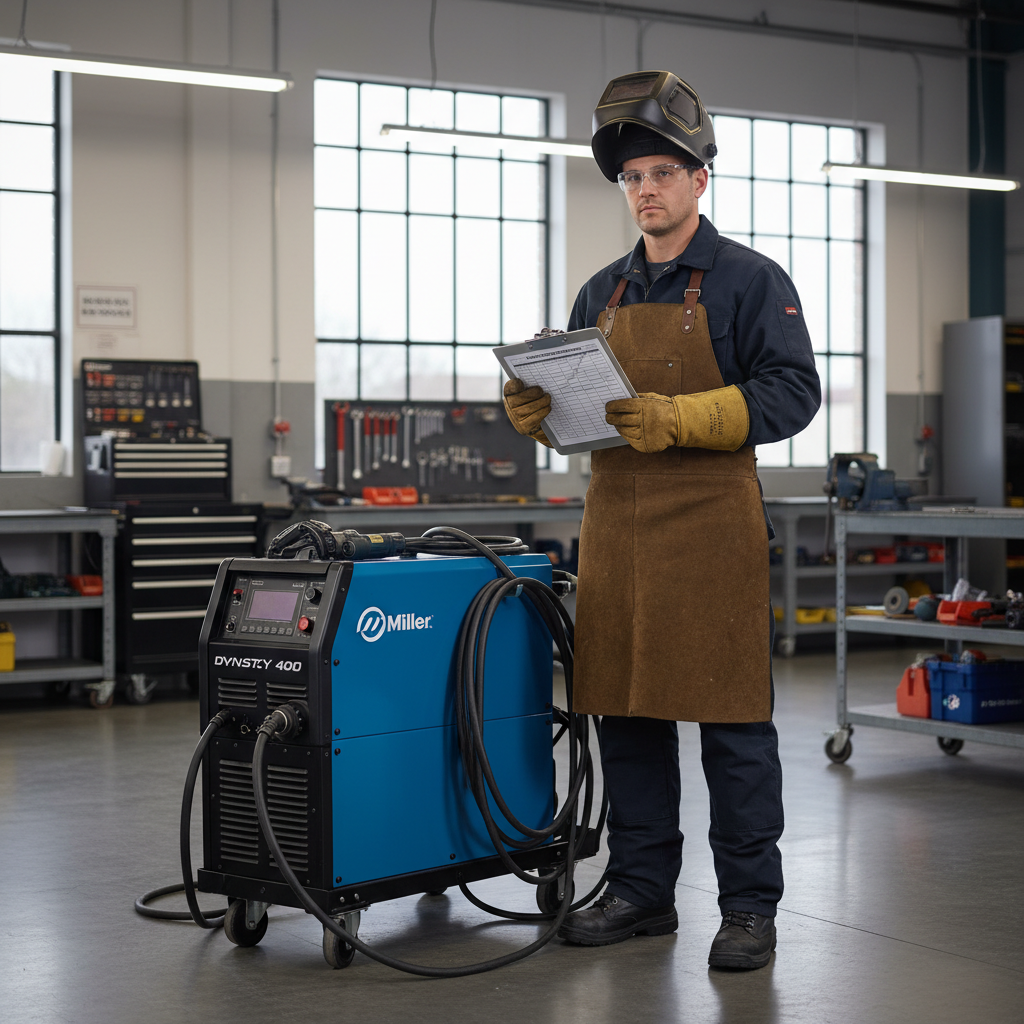
First, forget about fancy software. A simple notebook works fine. Hell, even a clipboard with printed sheets works. The key is having something you can actually use in the field without needing WiFi or worrying about battery life.
Track five things, and only five things: hours of operation, visual inspection results, consumable replacements, performance notes, and next service date. That’s it. Don’t get fancy, don’t overcomplicate it.
Hours of operation matter because most maintenance intervals are time-based. Visual inspections catch obvious problems before they become expensive problems. Consumable tracking helps you plan purchases and identify patterns. Performance notes help you spot declining efficiency. Next service dates keep you on schedule.
Daily Inspection Checklist
Every morning, before you strike your first arc, spend two minutes looking at your equipment. Not just a quick glance – actually look.
Check all cables for damage, cuts, or excessive wear. Look for loose connections that could cause intermittent problems. Verify your ground clamp makes solid contact. These simple checks prevent 90% of field failures.
Note any unusual sounds, smells, or performance issues from the previous day. If something seems off, it probably is. Trust your instincts – you know your equipment better than anyone.
Clean dust and debris from cooling vents. This takes thirty seconds but prevents overheating issues that can fry expensive components. Field-ready multi-process welders especially benefit from regular cleaning due to their compact design.
Weekly Deep Inspection
Once a week, dig deeper. Remove covers and inspect internal components where possible. Look for loose bolts, worn brushes, or signs of overheating.
Check consumable levels – wire, electrodes, gas, contact tips. Nothing kills productivity like running out of basics mid-job. Order replacements when you hit 25% remaining, not when you’re down to fumes.
Test all controls and settings. Make sure everything responds properly. Document any drift in settings or unusual behavior. These early warning signs can save you major headaches later.
Tracking Consumables and Performance Patterns
Here’s where most guys go wrong – they treat consumables as an afterthought. Wrong move. Your consumable usage patterns tell you everything about your equipment’s health.
If you’re burning through contact tips faster than usual, you’ve got arc instability issues. Could be dirty liner, worn drive rolls, or voltage problems. Catch it early, and it’s a $20 fix. Ignore it, and you’re looking at expensive repairs.
Wire feed issues show up in your wire consumption first. If you’re using more wire to get the same amount of weld deposit, something’s wrong with your feed system. Maybe the liner needs replacement, or your drive rolls are slipping.
Gas consumption spikes indicate leaks or flow control problems. Both waste money and affect weld quality. Track your cylinder usage, and you’ll spot these issues before they impact your work.
Keep receipts for everything. Not just for taxes, but for tracking actual costs. When you know your real operating costs, you can price jobs appropriately. Too many welders price based on guesswork and wonder why they’re not making money.
When to Schedule Major Maintenance
Don’t wait for manufacturer recommendations if your equipment works harder than their assumptions. Office-based maintenance schedules don’t account for construction site dust, temperature extremes, or the general abuse that comes with real-world use.
Schedule major maintenance based on actual operating hours, not calendar time. A machine running 60 hours a week needs service more often than one running 20 hours a week. Seems obvious, but most people miss this.
Plan maintenance during natural downtime. Between jobs, during slow seasons, or when you’ve got backup equipment available. Never schedule maintenance when you’re booked solid unless it’s an emergency.
Build relationships with service technicians before you need them. When your machine dies on a Friday afternoon, you want to be calling someone who knows you, not some random shop that might get to you next week.
Consider learning basic maintenance yourself. Simple tasks like replacing liners, contact tips, or drive rolls don’t require factory training. Knowing how to handle basic repairs keeps you working when service isn’t available.
Seasonal Maintenance Planning
Different seasons create different challenges for your equipment. Summer heat means more cooling system maintenance. Winter cold affects battery performance and hydraulic systems.
Spring is perfect for major overhauls. Clean out winter debris, replace worn components, and prepare for busy season. Fall maintenance focuses on winterization and preparing for indoor work seasons.
Weather affects more than just comfort. High humidity increases corrosion rates. Dust storms clog filters faster. Plan your equipment maintenance logs around your local climate patterns.
Digital vs. Paper Tracking Systems
Look, I’m not anti-technology. But I am anti-complicated systems that create more problems than they solve. Most digital maintenance tracking systems are designed for fleets, not individual operators.
Paper logs work everywhere. No battery to die, no software to crash, no monthly subscription fees. You can write in them with gloves on, and they don’t break when you drop them.
That said, if you’re running multiple machines or have employees, digital tracking makes sense. Just keep it simple. Spreadsheets work better than most specialized software.
The best system is the one you’ll actually use. If you love your smartphone and use it for everything, find a simple app. If you’re old school with paper, stick with paper. Consistency matters more than technology.
Whatever system you choose, make sure it’s backed up. Lost maintenance records are almost as bad as no maintenance records. Cloud storage, photocopies, whatever – just have a backup plan.
Red Flags That Demand Immediate Attention
Some problems can’t wait for scheduled maintenance. Learn to recognize the warning signs that mean “stop everything and fix this now.”
Unusual noises, especially grinding, squealing, or irregular sounds. Your equipment has a normal sound signature. When that changes, pay attention. Most catastrophic failures announce themselves first.
Overheating beyond normal operating temperatures. Modern welders have thermal protection, but relying on it is like driving with your oil light on. Figure out why it’s overheating before you damage expensive components.
Inconsistent arc performance or output. If your welds don’t look right, don’t assume it’s technique. Equipment problems cause quality issues that can fail inspections or worse.
Electrical issues like blown fuses, tripping breakers, or intermittent operation. Electrical problems don’t fix themselves and usually get worse quickly. These issues can also create safety hazards.
Any signs of fluid leaks, corrosion, or physical damage. What starts small spreads fast. Address these issues immediately before they become major repairs.
Emergency Repair Documentation
When something breaks, document everything. What happened, what you tried, what worked, what didn’t. This information is gold for preventing repeat failures.
Take photos of problems before you fix them. Visual records help service techs understand issues and can be useful for warranty claims. Modern phones make this easy.
Keep receipts for emergency repairs separate from routine maintenance. This helps you identify patterns and potentially warranty issues. Some problems indicate manufacturing defects rather than normal wear.
Building Equipment Reliability for Long-Term Success
Reliability isn’t just about maintenance – it’s about smart equipment choices and operational practices. Hybrid battery-powered welders offer different maintenance requirements than traditional engine-driven units.
When you’re ready to expand, consider how maintenance complexity scales. Moving from garage to shop means supporting more equipment with the same attention to detail.
Think about your strategic positioning when choosing equipment. Specialized applications might require specialized maintenance knowledge and parts availability.
For those pursuing certifications, remember that equipment reliability directly impacts your preparation time. Certification readiness depends on having equipment that performs consistently.
The bottom line: proper equipment maintenance logs are insurance policies you write to yourself. They prevent small problems from becoming business-killing disasters. They keep you working when your competition is down for repairs. And they protect the investment that keeps food on your table.
Start simple. Track the basics. Be consistent. Your future self will thank you when you’re still welding while everyone else is waiting for parts.