Winter Welding Jobs: Why the Cold Should Cost More
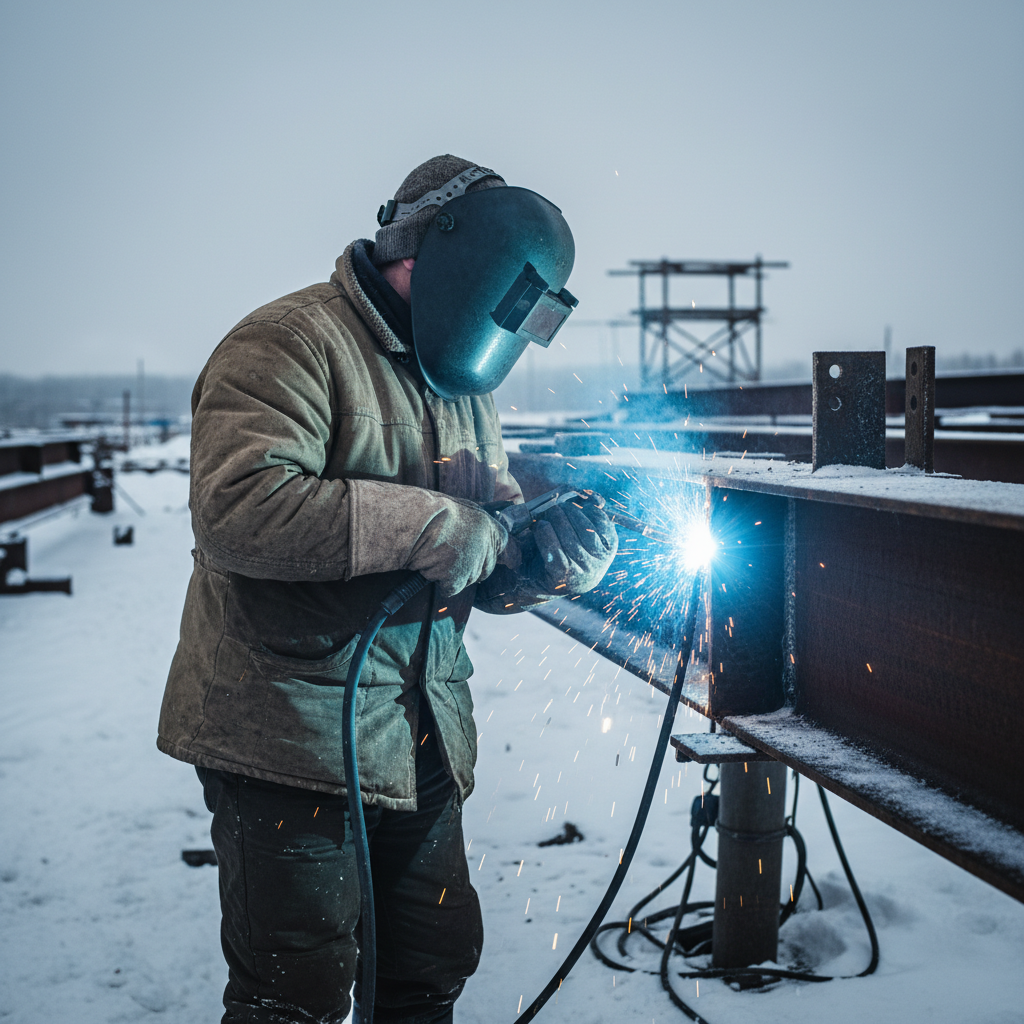
Let me guess. Every November you watch half your competition disappear like they’ve never heard of a welding hood. They hibernate. They “slow down for the season.” They start doing side jobs for their brother-in-law. Meanwhile, winter welding jobs are sitting right there, waiting for whoever’s willing to show up and freeze their knuckles off for them.
Here’s the thing though — showing up isn’t enough. You need to show up and charge accordingly. Because winter work costs you more. It takes longer. It’s harder on your body, your gear, and your machine. If you’re not pricing that in, you’re basically paying the customer to let you suffer. And that’s just dumb.
This post is about fixing that. We’re going to talk about how to price winter welding jobs so you’re actually compensated for the conditions, the setup time, and the general misery that comes with field work when it’s 18 degrees and the ground is frozen solid.
First, Understand What Cold Weather Actually Costs You
Before you can price cold weather work correctly, you have to honestly account for what it costs you. Not just what it feels like — what it actually does to your operation.
Your Equipment Hates the Cold as Much as You Do
Welding machines don’t perform the same when it’s cold. Wire feeders get sluggish. Hoses stiffen up. Gas regulators freeze if you’re not running the right setup. Batteries lose capacity fast — and if you’ve invested in a hybrid battery-powered welder for field mobility, you already know cold weather management is its own skill set.
MIG guns get stiff. Liner resistance increases. You spend more time diagnosing feeding issues that wouldn’t exist in July. That’s real time. That’s your time. It costs money.
Preheat requirements go up dramatically in cold weather too. Steel below 32°F needs significantly more preheat to prevent hydrogen cracking. Depending on what you’re welding and what code you’re working under, that preheat time can add 20–40 minutes to a job that would’ve been a quick burn in summer. If you want a deeper look at how equipment handles tough field conditions year-round, check out this breakdown of field-ready multi-process welders.
Your Body Works Harder and Slower
This one’s obvious, but welders undercharge for it anyway. You’re wearing more gear. You’re moving slower. Your hands lose dexterity even with the best gloves money can buy. You take more breaks because if you don’t, you make mistakes — or you get hurt.
A job that takes three hours in August can easily run four and a half hours in January. Same job. Same materials. Same welder. Just cold. If you’re still quoting it like it’s August, you just handed the customer a discount they didn’t ask for and didn’t deserve.
Setup and Breakdown Take Longer
Everything takes longer when it’s cold. Loading equipment. Unloading equipment. Getting your machines warmed up. Setting up wind protection. Running extension cords through frozen ground. Thawing out fittings. All of that is labor, and none of it is free.
If your standard mobilization charge doesn’t account for cold weather setup time, you’re losing money before you strike the first arc.
The Cold Weather Premium Pricing Model
Here’s how I approach winter welding jobs pricing. It’s not complicated. It’s just honest accounting with a margin built in for the misery factor.
Start With Your Base Rate — Then Add the Cold Multiplier
Your base rate should already cover your overhead, equipment costs, insurance, and a reasonable profit. If it doesn’t, stop reading this and go fix that first. There’s a solid framework for thinking through service pricing over at this post on pricing for certification services that applies broadly to how you should be thinking about your rates in general.
Once you have a solid base rate, apply a cold weather multiplier. Here’s a simple starting framework:
- 35°F–50°F: 10–15% premium. Cool but manageable. Preheat requirements kick in. Setup takes a bit longer.
- 20°F–34°F: 20–30% premium. Legitimate cold. Significant preheat requirements. Equipment issues start showing up. You’re working slower.
- Below 20°F: 35–50% premium minimum. You’re operating in genuinely hostile conditions. Everything takes longer. There’s real risk to equipment and quality. Charge like it.
These aren’t random numbers. They’re based on the actual time and resource increases that cold weather creates. If anything, they’re conservative.
Itemize the Cold Weather Line Items
Don’t just slap a percentage on the quote and hope the customer accepts it. Break out the line items. When a customer sees “cold weather surcharge: $150” it looks like you’re gouging them. When they see an itemized list, it looks like you actually know what you’re doing — because you do.
Consider adding explicit line items for:
- Preheat time and consumables (propane, torch tips, etc.)
- Extended mobilization time (loading, setup, breakdown in cold)
- Wind/weather protection setup (if you’re running tarps or temporary enclosures)
- Equipment conditioning time (warming machines before they’ll run correctly)
- Reduced productivity rate (acknowledge the slower pace honestly)
Customers who push back on winter pricing are often the same customers who’d be the first to complain if the weld fails because it was done cold and fast. Spell it out. Cover yourself.
Add a Weather Contingency Clause
If you’re quoting a job weeks in advance for a January start date, you don’t know exactly what conditions you’re walking into. Add a weather contingency clause to your contract. Something simple: if temperatures at the time of work are below X degrees, an additional cold weather rate applies.
This protects you from quoting moderate cold and showing up to a polar vortex. It also sets expectations upfront, so there’s no awkward conversation on site when you pull out the revised invoice.
Don’t Forget Shielding Gas Behavior in Cold Weather
This is one that catches people off guard. Shielding gas behavior changes in cold temperatures. Regulators can freeze, especially if you’ve got any moisture in your system. Flow rates can be inconsistent. Your coverage can suffer in ways that don’t show up until you’re already done and the customer’s looking at your welds with a flashlight.
Smart shielding gas management is a year-round discipline, but winter makes it critical. If you haven’t dialed in your cold weather gas protocol, the post on smart shielding gas management is worth your time. Your coverage matters even more when conditions are already working against you.
Finding Winter Welding Jobs That Are Worth Your Time
Not all winter welding jobs are created equal. Some are worth the premium you’ll charge. Others aren’t worth showing up for regardless of what they’re paying. Knowing the difference is part of running a smart field operation.
Who Needs You in Winter (And Has the Budget)
Agriculture. Infrastructure. Emergency repairs. Industrial maintenance that can’t wait for spring. These sectors don’t take a winter break, and they typically have real budgets. A broken piece of equipment on a working farm in January needs to be fixed in January. A structural issue on a commercial building doesn’t care that it’s cold outside.
These customers aren’t shopping for the cheapest option. They’re shopping for someone who will show up and do the job right, in the cold, without complaining. Be that person. Charge like that person.
Use Slow Months to Map Your Territory
If you’ve been thinking strategically about your service area and which sectors to target, winter is actually a good time to sharpen that thinking. Understanding demand patterns in your market can help you figure out where the consistent cold weather work is. The concept of smart heat maps for startups applies here — knowing where your demand concentrates geographically and seasonally lets you stop chasing random calls and start building a route that makes sense.
Think About Specialty Niches
Some specialty welding niches actually have more winter demand, not less. Agricultural equipment repair. Pipeline work. Snowplow and winter equipment fabrication and repair. If you’ve built your business around strategic niches, winter can be a revenue season rather than a survival season. The welders who figured this out years ago are the ones who aren’t worried when the temperature drops.
The Certification Angle on Winter Work
Here’s something a lot of field welders overlook. Winter can actually be a good time to get certifications done — or to offer certified welding services to customers who need code-compliant work on winter projects. If you’ve been thinking about adding certifications to your service offering, having your quals in order lets you bid on work that casual competitors can’t touch.
Cold weather structural work, pipe work, and pressure vessel maintenance often require certified welders. If that’s you, you’re not just charging a cold weather premium — you’re also charging a certification premium on top of it. That math gets interesting fast. The post on building your business from the ground up touches on how credentials stack into your overall value proposition.
What to Say When Customers Push Back
Someone’s going to push back. They always do. Here’s how I handle it, roughly.
When a customer says your winter rate is too high, you have two options. You can explain it, or you can let them call the guy who’ll do it cheap. Nine times out of ten, explaining it works — because most reasonable people understand that working in 15-degree weather with additional preheat requirements and slower productivity is different from a summer job. They just need you to walk them through it.
Keep it simple. “Cold weather adds preheat time, slows down the work, and creates equipment challenges that I have to account for. This price reflects what it actually costs me to do this job correctly in these conditions.” Then stop talking. Let it sit.
If they still won’t pay a fair rate, walk away. A customer who won’t pay for cold weather realities is also a customer who won’t appreciate the extra effort you put in to do the job right. You’ll resent the job from the first hour. Let them find out the hard way why the cheap guy charges cheap prices.
Practical Tips for Making Winter Jobs More Profitable
Pricing is only part of the equation. You can also improve your actual margin on winter welding jobs by reducing your costs and time on site.
- Invest in a good work tent or portable enclosure. A cheap pop-up shelter with a propane heater can cut your preheat time and protect your work area. It pays for itself fast.
- Pre-stage everything the night before. Load your truck inside a garage if you have one. Warm equipment starts better and runs better from the jump.
- Know your machine’s cold weather limits. Not all machines handle cold the same way. Field-ready machines designed for variable conditions are worth the investment if you’re doing serious winter volume.
- Keep your consumables warm. Electrodes, especially low-hydrogen rods, should never be stored in a cold truck overnight. Moisture absorption in cold, damp conditions is a real quality issue.
- Dress right, not tough. Layering properly means you work better, longer, and with fewer mistakes. Pride doesn’t make better welds. Being warm does.
The Bottom Line on Winter Welding Pricing
Look, nobody’s out here saying you have to love cold weather work. Personally, I think January on a frozen jobsite is one of the more miserable places a person can voluntarily be. But it’s also one of the more profitable places, if you price it right.
The welders who understand that winter welding jobs deserve premium rates — and who can explain that clearly to customers — are the ones who don’t just survive winter. They use it to separate themselves from the competition that’s sitting on the couch waiting for April.
Cold weather is a filter. Most welders self-eliminate. The ones left standing get to charge more because there are fewer of them, the work is harder, and the customers need it done. That’s not gouging. That’s the market working correctly.
Price it right. Show up prepared. Do good work. And for the love of everything, wear decent gloves.