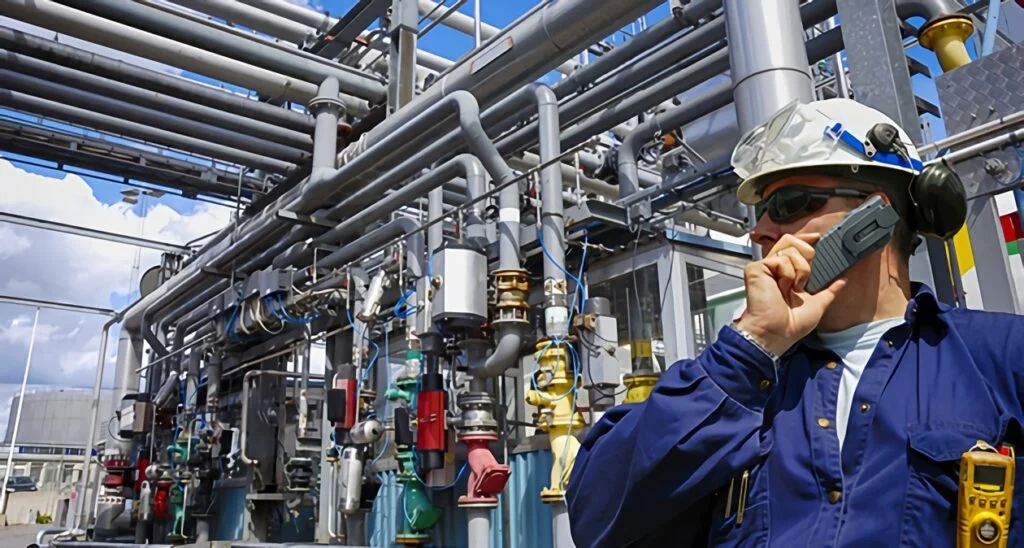
It’s 2:17 AM on a Saturday. Your phone rings. Some panicked plant manager is on the line because a critical conveyor support cracked and production is down. Every hour of downtime is costing him more than you make in a week. He needs you now. This is exactly the situation where your emergency repair pricing either makes you real money — or leaves you bitter, tired, and underpaid by morning. Let’s make sure it’s the former.
Why Most Welders Blow Emergency Repair Pricing
Here’s the uncomfortable truth: most guys lowball emergency calls because they’re half asleep and just want to get it done. They quote their normal day rate, add a few bucks, and roll out. Then they spend the whole drive home doing the math and realizing they basically worked for $18 an hour after fuel, wear, and the fact that they missed sleep.
That’s not a business. That’s charity with sparks.
Emergency repair pricing isn’t about gouging anybody. It’s about accurately reflecting the actual cost of what you’re providing. You’re not just selling a weld. You’re selling availability, urgency, and the ability to solve a crisis that nobody else could. That has a very different price tag than a Tuesday afternoon job you scheduled two weeks out.
If you’ve been struggling to figure out where your business fits in the market, the framework in our post on Strategic Niches is worth a read before you go any further. Emergency response is one of the highest-margin niches in mobile welding — but only if you price it right.
The Real Cost of an Emergency Call
Before you can price it properly, you have to understand what an emergency call actually costs you. Most welders only count their time on-site. That’s wrong. Here’s what you’re actually spending:
- Response time: From the moment you answer that phone, the clock is running. Getting up, loading gear, driving out — that’s billable time.
- Equipment wear: Night driving, quick hitches, grabbing gear in the dark — things get beat up faster on emergency calls.
- Fuel: You’re probably driving farther, faster, and possibly to a location you wouldn’t normally service.
- Opportunity cost: Sleeping through the night is worth something. So is not being wrecked for the next day’s work.
- Risk premium: Emergency jobs are often in worse condition, with worse access, and with more pressure to cut corners. That risk is real.
Add all that up. Now double-check your rate. Still sound right? Didn’t think so.
How to Structure Emergency Repair Pricing That Actually Works
The cleanest structure I’ve seen — and used — breaks down into three components. You need all three. Skip one and you’re leaving money on the table or confusing your customers.
1. The Emergency Dispatch Fee
This is a flat fee just for showing up. It covers your roll-out time, setup, and the basic overhead of existing as someone who answers phones at 2 AM. Think of it like a plumber’s service call fee, except you’re lugging a welder and a generator instead of a pipe wrench.
For most mobile welders, this should sit somewhere between $150 and $350 depending on your market. Rural areas with long drives? Push toward the top. Dense metro area with lots of competition? Maybe the middle. But don’t skip it. This fee communicates that your availability has value, even before you strike an arc.
2. The Time Multiplier
Your normal shop rate is your normal shop rate. Emergency calls get a multiplier. Period. Here’s a simple framework:
- After 6 PM weekdays: 1.5x your standard rate
- Weekends (daytime): 1.5x to 1.75x
- Nights (10 PM to 6 AM): 2x minimum
- Holidays: 2x to 2.5x — no exceptions
These aren’t arbitrary numbers. They’re grounded in what the market will bear when customers are desperate and you’re the only one picking up the phone. If your base rate is $85/hour, a 2 AM Saturday call should be running $170/hour minimum, plus that dispatch fee, plus materials.
Having solid base rates dialed in is the starting point for all of this. If yours aren’t right, check out the breakdown in Pricing for Certification Services — a lot of the same logic applies to structuring any professional service rate.
3. Materials and Consumables at Cost-Plus
Never eat the cost of consumables on an emergency job. You should already be marking up materials — that’s standard. On emergency calls, push that markup a bit higher. If you had to grab supplies from a 24-hour supplier at a premium, that premium gets passed through. If you burned through more rod because the job was rusty, dirty, or in a terrible position — that’s on them, not you.
Keep your receipts. Line-item your materials. Customers on emergency calls are usually not price-shopping the electrode cost. They care about getting their equipment back online.
Minimum Call Charges: Protect Yourself from Short Jobs
One mistake new mobile welders make is letting a 20-minute job pay like a 20-minute job. If you drove 45 minutes, set up, did a quick repair, and drove back, that’s two hours of your life. Minimum call charges fix this.
Set a minimum billable time for emergency calls. Two hours is reasonable for most markets. Four hours for jobs over a certain distance threshold. Whatever it is, put it in your service agreement in plain language and make customers acknowledge it before you roll.
This is also where having your business paperwork tight matters. A quick text confirmation with your rates spelled out beats a handshake agreement when the customer sees the invoice at 4 AM.
What About Regular Customers? Flat Rates vs. Hourly
If you’ve got repeat commercial clients — farms, manufacturers, construction companies — it might make sense to offer them a retainer-style emergency rate. Something like a flat annual fee that buys them preferred response time and a slightly reduced emergency rate.
This gives them predictability. It gives you guaranteed revenue and a reason to pick up their call first. It’s not charity — you’re pricing it so the math still works even if they call three times in a year.
For one-off customers calling cold at midnight? Full emergency rates, no discount, no apology.
Communicating Your Rates Without Losing the Job
Here’s where a lot of guys choke. They’ve got a solid rate structure in their head, but the moment a stressed-out customer pushes back, they start folding. Don’t do that.
When someone calls in a panic, they’re not really price shopping. They’re looking for someone competent who can solve their problem right now. Your job on that call is to sound calm, capable, and clear about what it costs. Something like:
“My emergency rate is [dispatch fee] to roll out plus $[hourly] per hour. Two-hour minimum. I can be there in [time]. Yes or no?”
That’s it. Short, confident, no hemming and hawing. Most of the time, they say yes. The ones who say no were going to be a problem anyway.
If you’re newer to running the business side and still getting comfortable talking money, the mindset work in From Garage to Shop covers a lot of the confidence-building that goes along with pricing conversations.
Equipment Readiness Is Part of Your Emergency Premium
You can’t charge emergency rates if you can’t respond like an emergency service. That means your rig needs to be ready to roll at a moment’s notice. Consumables stocked. Machine serviced. Cords organized. If you’re scrambling to find your stinger at midnight, that’s a problem.
The right equipment setup matters more for emergency response than any other type of work. Having a reliable multi-process machine that handles whatever material you run into on a crisis call is non-negotiable. We covered what to look for in Field-Ready Multi-Process Welders — worth reviewing if your rig isn’t dialed in yet.
And if you’re considering battery-powered options for faster setup in locations without shore power, Hybrid Battery-Powered Welders covers the current generation of machines worth looking at for emergency response work.
Tracking Your Emergency Jobs: Know Your Numbers
After every emergency job, write down the real data. Time from call to on-site. Hours worked. Miles driven. Materials used. Total invoiced. Then ask yourself: was that worth it?
If you do this for a year, you’ll have a clear picture of which types of emergency calls are actually profitable and which ones eat your lunch no matter how you price them. Some jobs — certain industries, certain distances, certain job types — just aren’t worth taking at 2 AM. Your data tells you which ones.
This kind of tracking also helps you spot where your business is generating the most revenue. The heat mapping concept in Smart Heat Maps for Startups is a surprisingly useful way to visualize where your high-value work is actually coming from geographically.
Setting Boundaries: When to Say No to Emergency Calls
Yes, emergency repair pricing is good money. No, you shouldn’t take every call that comes in. Some situations are legitimately not safe to work in. Some customers are going to make your life miserable no matter what you charge. Some jobs are in conditions where the quality of work you can deliver is compromised enough that it’s a liability risk.
Know your limits. Fatigue is real. Bad lighting is real. Pressure to rush a structural weld is a real problem. Your emergency service is a premium because you’re good at what you do — not because you’ll do anything for money at any hour under any conditions.
Being selective is part of running a real business, not a desperation operation.
Build Emergency Pricing Into Your Service Agreement Now
Don’t wait until you’re on the phone at midnight to figure out your rates. Build a clear emergency pricing policy into your standard service agreement. Post it on your website. Have it ready to text to new customers before you roll. The more you normalize this upfront, the fewer arguments you have after the fact.
Your policy should cover:
- What qualifies as an emergency call (time of day, day of week)
- Your dispatch fee
- Your hourly multipliers by time/day
- Minimum call charge
- Materials markup policy
- Travel radius and how out-of-area calls are priced
One page. Plain language. No legalese. Just clear expectations so everyone knows what they’re agreeing to before you start your truck.
The Bottom Line on Emergency Repair Pricing
The welders who build sustainable mobile businesses aren’t always the most technically skilled. They’re the ones who figured out that being available, reliable, and professional at 2 AM is worth real money — and they charge accordingly.
Emergency repair pricing done right means you’re not dreading the late-night phone call. You’re answering it with confidence because you know what it’s worth, you’ve got your rates ready, and your equipment is prepped. That’s how a crisis call turns into one of the best paydays of your month.
Stop apologizing for your rates. Start answering the phone.